OTC Herbal and Traditional Medicines Market (2026 - 2036)

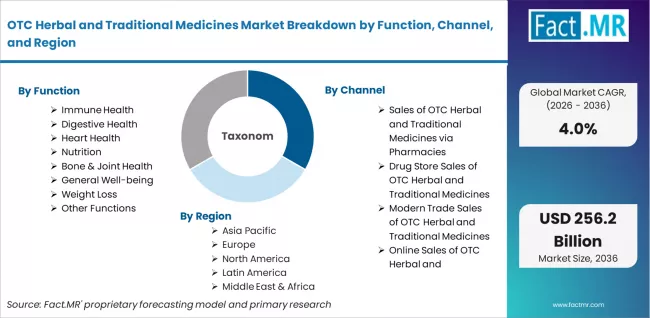
OTC Herbal and Traditional Medicines Market is segmented by Function (Immune Health, Digestive Health, Heart Health, Nutrition, Bone and Joint Health, General Well-being, Weight Loss, Other Functions), Channel (Pharmacies, Drug Store, Modern Trade, Online, Other OTC Formats), Dosage (Liquid, Capsule, Tablet, Powder), Ingredient Type (With Caffeine, Caffeine-Free), and Region. Forecast for 2026 to 2036.

Core Findings

    OTC Herbal and Traditional Medicines Market Size, Market Forecast and Outlook By FACT.MR

    The OTC Herbal and Traditional Medicines market was valued at USD 166.40 billion in 2025, projected to reach USD 173.06 billion in 2026, and is forecast to expand to USD 256.17 billion by 2036 at a 4.0% CAGR. Post-pandemic consumer prioritization of preventive healthcare, combined with mounting clinical evidence for botanical efficacy, accelerates mainstream pharmacy retail integration of herbal formulations previously confined to specialty health stores. Generational consumer shifts toward plant-derived therapeutics as an alternative to synthetic pharmaceutical options drive category premiumization.

    The absolute dollar opportunity of USD 83.11 billion across the forecast decade represents sustained structural demand rather than a cyclical recovery pattern. North American and European regulatory frameworks progressively standardize herbal medicine quality benchmarks, creating higher barriers to entry for low-quality products while simultaneously validating category credibility for mainstream pharmacy buyers. Liquid dosage formats capturing 69.0% of the dosage segment reflect consumer preference for faster bioavailability and flexible dosing over conventional tablet formats.

    As per FACT.MR's regional analysis, France records the highest growth rate at 10.3% CAGR, driven by cultural integration of phytotherapy into primary care physician recommendations and reimbursement pathway discussions. Canada follows at 8.9%, with Natural Health Product regulations providing a structured approval pathway for herbal medicines. The Nordic region also tracks at 8.9%, supported by high per-capita health supplement spending. United Kingdom networks advance at 9.5%, where post-Brexit regulatory alignment creates new opportunities for domestic herbal medicine producers. Germany registers 8.5%, shaped by Commission E monograph acceptance of botanical therapeutics in clinical practice guidelines. The USA leads volume with 11.3% CAGR as direct-to-consumer supplement platforms and subscription nutrition services integrate herbal formulations.
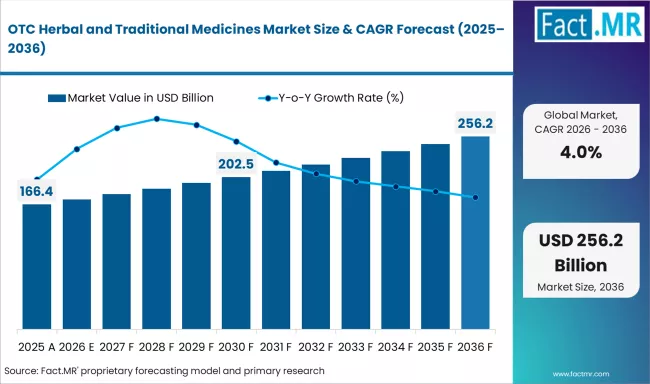
    Otc Herbal And Traditional Medicines Market Market Value Analysis

    OTC Herbal and Traditional Medicines Market Key Takeaways

    Metric Details
    Industry Size (2026) USD 173.06 Billion
    Industry Value (2036) USD 256.17 Billion
    CAGR (2026-2036) 4.0%
    Source Fact.MR, 2026

    OTC Herbal and Traditional Medicines Market Definition

    The OTC Herbal and Traditional Medicines market encompasses plant-derived, botanical, and traditional medicine formulations sold without prescription through licensed pharmacy, drug store, modern trade, and online retail channels. Products incorporate standardized herbal extracts, traditional medicinal plant preparations, and functional botanical blends targeting specific health conditions including immune support, digestive health, cardiovascular wellness, and general vitality. Formulations comply with applicable national natural health product and traditional medicine regulatory standards.

    OTC Herbal and Traditional Medicines Market Inclusions

    Market scope includes standardized botanical extract formulations, traditional Chinese medicine preparations sold through licensed retail channels, Ayurvedic proprietary medicines with approved health claims, and functional herbal blends compliant with regional natural health product regulations. Distribution channel analysis covers pharmacies, drug stores, modern trade, online platforms, and specialist health retailers. Dosage format coverage encompasses liquid, capsule, tablet, and powder categories across the 2026 to 2036 forecast period.

    OTC Herbal and Traditional Medicines Market Exclusions

    Prescription botanical pharmaceuticals requiring physician authorization are excluded from market scope. Fresh herbs and raw botanical materials sold through agricultural retail channels fall outside defined boundaries. Hospital-compounded traditional medicine preparations and clinical herbal therapy administered by licensed practitioners are omitted. Functional food products incorporating botanical ingredients as flavor components without health claims, and cosmetic applications of plant extracts, are explicitly excluded.

    OTC Herbal and Traditional Medicines Market Research Methodology

    • Primary Research: Analysts conducted interviews with natural health product regulatory specialists, herbal medicine procurement directors at pharmacy chains, and category managers at leading botanical supplement companies.
    • Desk Research: Data collection aggregated natural health product license registries from Health Canada, European Medicines Agency traditional herbal registration databases, and US dietary supplement notification records.
    • Market-Sizing and Forecasting: Baseline values derive from bottom-up aggregation of retail sell-out volumes across herbal function and channel categories, with region-specific regulatory adoption curves applied to projection models.
    • Data Validation and Update Cycle: Forecasts cross-validate against quarterly natural health product company earnings disclosures and pharmacy chain category performance reports for herbal supplement segments.

    Summary of OTC Herbal and Traditional Medicines Market

    • OTC Herbal and Traditional Medicines Market Definition
      • The OTC Herbal and Traditional Medicines market comprises standardized botanical extracts, traditional medicine preparations, and functional plant-derived formulations sold through regulated retail pharmacy and direct-to-consumer channels without prescription requirements.
    • Demand Drivers in the Market
      • Post-pandemic preventive healthcare prioritization sustains elevated consumer investment in immune health botanical supplements across pharmacy and online retail purchasing channels globally.
      • Progressive regulatory standardization of herbal medicine quality benchmarks by the European Medicines Agency and Health Canada provides category credibility that unlocks mainstream pharmacy formulary inclusion.
      • Direct-to-consumer subscription supplement platforms integrate herbal formulations into monthly wellness programs, generating recurring revenue streams and expanding consumer engagement beyond one-time pharmacy purchases.
    • Key Segments Analyzed in the FACT.MR Report
      • Immune Health leads by Function with 42.7% share in 2026, supported by sustained consumer investment in botanical immune support following respiratory illness cycles.
      • Pharmacies command the Channel segment in 2026, with licensed pharmacist recommendation pathways providing validated consumer access points for herbal medicine category entry.
      • France records the highest regional CAGR at 10.3% through 2036, reflecting phytotherapy integration into primary care physician referral networks.
    • Analyst Opinion at FACT.MR
      • Shambhu Nath Jha, Principal Consultant, opines: 'The herbal and traditional medicines category is undergoing a credentialing transition. Products supported by Commission E monographs, Pharmacopoeia monograph compliance, or clinical review data gain pharmacy formulary access that unverified alternatives cannot achieve. Manufacturers investing in standardization and third-party efficacy validation will capture the pharmacy channel volume that defines category scale, while undifferentiated botanical products face permanent relegation to specialty retail with structurally lower volumes.'
    • Strategic Implications / Executive Takeaways
      • Herbal medicine manufacturers must pursue European Medicines Agency traditional herbal registration to qualify for pharmacy formulary inclusion across European Union member state markets.
      • Liquid dosage format investment takes priority as the 69.0% category dominance reflects documented consumer preference for bioavailability advantages over capsule and tablet alternatives.
      • Digital pharmacy channel partnerships require compliant health claim substantiation documentation to satisfy platform advertising standards enforced by national regulatory bodies.
    • Methodology
      • Primary Research: FACT.MR conducted interviews with herbal medicine regulatory specialists and pharmacy chain category directors across 40 countries to validate formulation approval timelines.
      • Desk Research: Analysts compiled European Medicines Agency traditional herbal registration databases, Health Canada natural health product license records, and US FDA dietary supplement notification archives.
      • Market-Sizing and Forecasting: Bottom-up methodology starting with country-level retail sell-out volumes across herbal function categories projects forward adoption curves.
      • Data Validation: Cross-validation against quarterly natural health product company earnings disclosures and pharmacy chain herbal category performance metrics.

    Demand Analysis of OTC Herbal and Traditional Medicines (2021 to 2025) Vs Market Forecasts (2026 to 2036)

    In the past decade, the world has seen a substantial rise in the prevalence of diseases and outbreaks of various viruses. The long term effects of synthetic drugs have also been extensively researched as people have faced problems regarding them. This has led to an increase in research into alternative healthcare like herbal and traditional medicines.

    Consumers are now more aware of what they consume and this has been a major factor in propelling the demand for OTC traditional medicines. The adoption of traditional and herbal medicines is on the rise and is expected to be substantially higher by the end of the decade. The top manufacturers of OTC herbal and traditional medicines are focusing on developing naturally derived OTC medicines owing to the increase in demand from consumers.

    On the basis of Application, How is the Market Classified?

    OTC herbal and traditional medicines can be classified as per their applications in the healthcare infrastructure. The additional segmentation can be given as:

    • Application of OTC Herbal and Traditional Medicines as Detoxification Medicines
    • Application of OTC Herbal and Traditional Medicines as Antipyretic Medicines
    • Application of OTC Herbal and Traditional Medicines as Digestive Medicines
    • Application of OTC Herbal and Traditional Medicines as Blood Circulation Medicines

    These various applications are expected to increase in demand as manufacturers advance their research and expand their product portfolios. The demand for OTC herbal and traditional medicine in detoxification is expected to be driven by the trends of healthy lifestyle and organic eating. Trend of shifting towards more nature-based and organic products is also expected to propel the demand for OTC botanical medicine and to some extent even the sales of OTC phytomedicine.

    How is Demand for OTC Herbal and Traditional Medicines Shaping Up on the Basis of Function?

    The research categorizes the market on the basis of functionality, and this is one of the most prominent aspects for the evaluation of the market.

    Sales of OTC herbal and traditional medicines for digestive health are expected to account for the largest revenue share in this segment. The sales of OTC herbal and traditional medicines for nutrition are expected to follow and be second-largest in terms of revenue. While the sales of OTC herbal and traditional medicines for bone & joint health are expected to rise at a similar CAGR to that for nutrition their revenues are expected to be substantially lesser than that of nutrition segment.

    Demand for OTC herbal and traditional medicines for general well-being and the demand for OTC herbal and traditional medicines for heart health are expected to see a steady rise over the next ten years as research for these functions increases and more products are launched.

    Use of OTC herbal and traditional medicines for weight loss is predicted to be significantly prominent in the global industry as research in this domain progresses.

    How are Sales of OTC Herbal Medicines Progressing?

    Sales of OTC herbal and traditional medicine are expected to see a rise over the next ten years and among all the sales channels modern trade is expected to be the most significant. Followed by sales via online channels, which were extremely high in the COVID-19 pandemic era and are expected to follow a healthy rise through the forecast period.

    Sales via pharmacy channel are expected to rise at a relatively slower CAGR but are anticipated to pick up by the end of the decade. The over-the-counter herbal and traditional medicines market is anticipated to see some major shifts in sales trends via different channels over the decade.

    Which Regions Majorly Influence OTC Herbal and Traditional Medicines Market Growth?

    This research details the global OTC herbal and traditional medicine landscape across regions such as North America, Latin America, Europe, APAC, and MEA.

    APAC dominated the market in terms of market share in 2020. The region is expected to continue its dominance throughout the forecast period due to presence of prominent players and increasing demand and research from nations like India.

    North America is anticipated to be the second largest market for OTC herbal and traditional medicine and is expected to evolve at a good CAGR over the decade as awareness for herbal and traditional medicine increases. The market in Europe is also expected to evolve at a steady pace. The market in the MEA region has a lot of untapped potential which is expected to come into play over the next ten years.

    Country-wise Analysis

    Top Country Growth Comparison Otc Herbal And Traditional Medicines Market Cagr (2026 2036)

    Will the U.S. Herbal and Traditional Medicines Market Be Profitable for Industry Players?
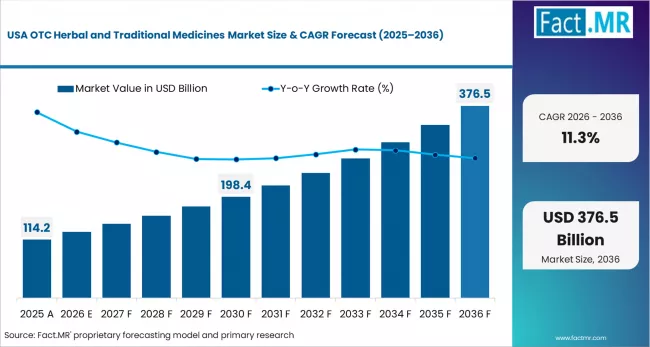
    Otc Herbal And Traditional Medicines Market Country Value Analysis

    The U.S. has been seeing some major shift in alternative medicine industry as the population is shying away from the synthetic drugs and medicines which have been discovered to have side effects. The rising demand from aware consumers for more natural and organic products and medicines is majorly driving demand for OTC herbal and traditional medicines in the U.S. The market players can cash in on this potential if they can provide what the end-users are looking for.

    How Important is India in the Global OTC Herbal and Traditional Medicines Space?

    Traditional and herbal systems of medicines have been popular in India from a long time as people in the nation have been using them over decades dating back to hundreds of years. Ayurveda, Unani are some of the prominent areas being researched in India and they will be an important export to the world as India is a leading name in these fields of traditional and herbal medicines.

    Top manufacturers of OTC herbal medicines are based in India and the research and developments in India by them are crucial to the global market expansion.

    Category-wise Analysis

    What is the Outlook for Powder Dosage of OTC Herbal and Traditional Medicines?
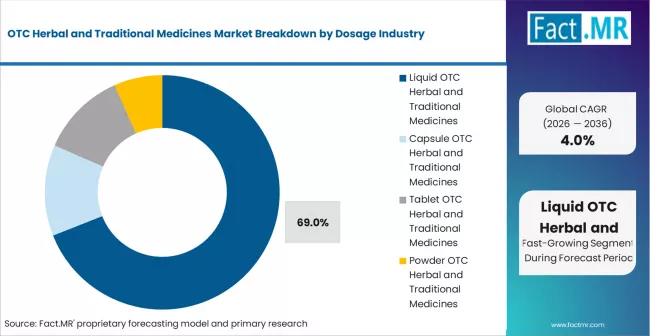
    Otc Herbal And Traditional Medicines Market Analysis By Dosage

    Sales of OTC powdered herbal and traditional medicine are expected to account for majority of revenue share in the dosage segment. The demand for OTC herbal and traditional medicine tablet and demand for OTC liquid herbal and traditional medicines are expected to evolve at a similar CAGR while tablet dosage would account for more revenue share than the liquid dosage segment.

    Competitive Landscape
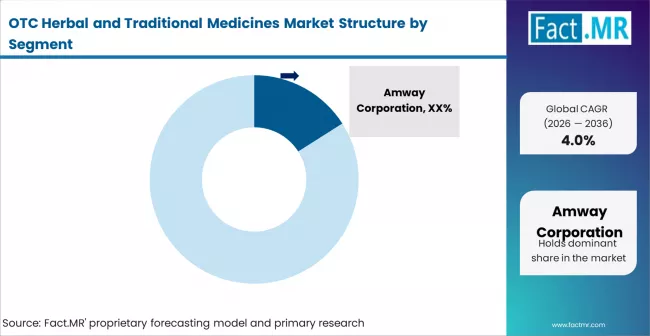
    Otc Herbal And Traditional Medicines Market Analysis By Company

    Manufacturers are investing in research & development of new products to capture market potential as per consumer demand. New product launches and increase in research are expected to be prominent trends.

    • In Tanzania’s Zanzibar, a research project funded by Tanzania Commission for Science and Technology, was launched in early October 2021 which is aimed at researching the use of herbal medicines for non-communicable diseases and their utilization as an alternative treatment method. The research will be carried out by researchers at Zanzibar Health Research Institute and the National Institute for Medical Research.
    • Gingko Bioworks has launched a new venture by the name of Ayana Bio which is aimed at producing plant and fungal bioactives for herbal medicines. The Ayana Bio has been launched in September 2021 with a series A funding from Viking Global Investors and Cascade Investment.
    • On June 30th 2021, Maharishi Ayurveda announced the launch of its new product to treat sleep disorders. The product is completely herbal and produces a calming and balancing effect and body and mind as well. The product has been launched when sleep disorders like insomnia are on the rise.

    Scope of the Report

    Otc Herbal And Traditional Medicines Market Breakdown By Function, Channel, And Region

    Metric Value
    Quantitative Units USD 173.06 billion to USD 256.17 billion, at a CAGR of 4.0%
    Market Definition The OTC Herbal and Traditional Medicines market covers plant-derived, botanical, and traditional medicine formulations sold without prescription through pharmacy, drug store, modern trade, and online retail channels globally.
    Function Segmentation Immune Health, Digestive Health, Heart Health, Nutrition, Bone and Joint Health, General Well-being, Weight Loss, Other Functions
    Channel Segmentation Pharmacies, Drug Store, Modern Trade, Online, Other OTC Formats
    Dosage Segmentation Liquid, Capsule, Tablet, Powder
    Ingredient Type With Caffeine, Caffeine-Free
    Regions Covered North America, Latin America, Europe, East Asia, South Asia, Oceania, Middle East and Africa
    Countries Covered USA, Canada, UK, Germany, France, Nordics, and 40 plus countries
    Key Companies Profiled Amway Corporation, Herbalife International, The Himalayan Drug Company, Naturex SA, Blackmores Limited, Nutraceutical International Corporation, The Nature's Bounty Co, Bio-Botanica Inc, The Bioforce Group, Ricola AG
    Forecast Period 2026 to 2036
    Approach Bottom-up aggregation of retail sell-out volumes across herbal function and channel categories with region-specific regulatory adoption curves

    Key Segments of OTC Herbal and Traditional Medicines Industry Survey

    • By Function:

      • OTC Herbal and Traditional Medicines for Immune Health
      • OTC Herbal and Traditional Medicines for Digestive Health
      • OTC Herbal and Traditional Medicines for Heart Health
      • OTC Herbal and Traditional Medicines for Nutrition
      • OTC Herbal and Traditional Medicines for Bone & Joint Health
      • OTC Herbal and Traditional Medicines for General Well-being
      • OTC Herbal and Traditional Medicines for Weight Loss
      • Other Functions
    • By OTC Channel:

      • Sales of OTC Herbal and Traditional Medicines via Pharmacies
      • Drug Store Sales of OTC Herbal and Traditional Medicines
      • Modern Trade Sales of OTC Herbal and Traditional Medicines
      • Online Sales of OTC Herbal and Traditional Medicines
      • Other OTC Formats
    • By Dosage:

      • Liquid OTC Herbal and Traditional Medicines
      • Capsule OTC Herbal and Traditional Medicines
      • Tablet OTC Herbal and Traditional Medicines
      • Powder OTC Herbal and Traditional Medicines

    Bibliography

    • European Medicines Agency. (2024). Community herbal monographs and list entries. EMA Committee on Herbal Medicinal Products.
    • Health Canada. (2024). Natural health products regulations: Guidance document. Government of Canada.
    • World Health Organization. (2024). WHO global report on traditional and complementary medicine. WHO Press.
    • Organisation for Economic Co-operation and Development. (2024). Health at a glance 2024: OECD health statistics. OECD Publishing.
    • United States Food and Drug Administration. (2024). Dietary supplement labeling guide. FDA Center for Food Safety and Applied Nutrition.
    • European Commission. (2024). Regulation on traditional herbal medicinal products: Implementation report. Directorate-General for Health and Food Safety.

    This bibliography is provided for reader reference. The full FACT.MR report contains the complete reference list with primary research documentation.

    This Report Addresses

    • Market sizing and quantitative forecast metrics detailing enterprise revenue projections for OTC herbal and traditional medicines through 2036.
    • Segmentation analysis mapping adoption velocity across herbal function categories, distribution channels, dosage formats, and ingredient type classifications.
    • Regional intelligence comparing phytotherapy integration rates in Western Europe against high-growth botanical medicine adoption in North American direct-to-consumer markets.
    • Regulatory compliance assessment analyzing how EMA traditional herbal registration and Health Canada natural health product licensing shape pharmacy formulary access timelines.
    • Competitive landscape evaluation tracking botanical supplement brand positioning across pharmacy, online, and specialty retail channels in key growth markets.
    • Distribution strategy guidance defining channel optimization requirements across pharmacy, modern trade, and digital subscription retail formats.
    • Consumer trend analysis identifying preventive healthcare priorities, ingredient transparency demands, and efficacy validation expectations among target demographic cohorts.
    • Custom data delivery formats encompassing interactive dashboards, raw Excel datasets, and comprehensive PDF narrative reports.

    Table of Content

    1. Executive Summary
      • Global Market Outlook
      • Demand to side Trends
      • Supply to side Trends
      • Technology Roadmap Analysis
      • Analysis and Recommendations
    2. Market Overview
      • Market Coverage / Taxonomy
      • Market Definition / Scope / Limitations
    3. Research Methodology
      • Chapter Orientation
      • Analytical Lens and Working Hypotheses
        • Market Structure, Signals, and Trend Drivers
        • Benchmarking and Cross-market Comparability
        • Market Sizing, Forecasting, and Opportunity Mapping
      • Research Design and Evidence Framework
        • Desk Research Programme (Secondary Evidence)
          • Company Annual and Sustainability Reports
          • Peer-reviewed Journals and Academic Literature
          • Corporate Websites, Product Literature, and Technical Notes
          • Earnings Decks and Investor Briefings
          • Statutory Filings and Regulatory Disclosures
          • Technical White Papers and Standards Notes
          • Trade Journals, Industry Magazines, and Analyst Briefs
          • Conference Proceedings, Webinars, and Seminar Materials
          • Government Statistics Portals and Public Data Releases
          • Press Releases and Reputable Media Coverage
          • Specialist Newsletters and Curated Briefings
          • Sector Databases and Reference Repositories
          • Fact.MR Internal Proprietary Databases and Historical Market Datasets
          • Subscription Datasets and Paid Sources
          • Social Channels, Communities, and Digital Listening Inputs
          • Additional Desk Sources
        • Expert Input and Fieldwork (Primary Evidence)
          • Primary Modes
            • Qualitative Interviews and Expert Elicitation
            • Quantitative Surveys and Structured Data Capture
            • Blended Approach
          • Why Primary Evidence is Used
          • Field Techniques
            • Interviews
            • Surveys
            • Focus Groups
            • Observational and In-context Research
            • Social and Community Interactions
          • Stakeholder Universe Engaged
            • C-suite Leaders
            • Board Members
            • Presidents and Vice Presidents
            • R&D and Innovation Heads
            • Technical Specialists
            • Domain Subject-matter Experts
            • Scientists
            • Physicians and Other Healthcare Professionals
          • Governance, Ethics, and Data Stewardship
            • Research Ethics
            • Data Integrity and Handling
        • Tooling, Models, and Reference Databases
      • Data Engineering and Model Build
        • Data Acquisition and Ingestion
        • Cleaning, Normalisation, and Verification
        • Synthesis, Triangulation, and Analysis
      • Quality Assurance and Audit Trail
    4. Market Background
      • Market Dynamics
        • Drivers
        • Restraints
        • Opportunity
        • Trends
      • Scenario Forecast
        • Demand in Optimistic Scenario
        • Demand in Likely Scenario
        • Demand in Conservative Scenario
      • Opportunity Map Analysis
      • Product Life Cycle Analysis
      • Supply Chain Analysis
      • Investment Feasibility Matrix
      • Value Chain Analysis
      • PESTLE and Porter’s Analysis
      • Regulatory Landscape
      • Regional Parent Market Outlook
      • Production and Consumption Statistics
      • Import and Export Statistics
    5. Global Market Analysis 2021 to 2025 and Forecast, 2026 to 2036
      • Historical Market Size Value (USD Million) Analysis, 2021 to 2025
      • Current and Future Market Size Value (USD Million) Projections, 2026 to 2036
        • Y to o to Y Growth Trend Analysis
        • Absolute $ Opportunity Analysis
    6. Global Market Pricing Analysis 2021 to 2025 and Forecast 2026 to 2036
    7. Global Market Analysis 2021 to 2025 and Forecast 2026 to 2036, By Function
      • Introduction / Key Findings
      • Historical Market Size Value (USD Million) Analysis By Function , 2021 to 2025
      • Current and Future Market Size Value (USD Million) Analysis and Forecast By Function , 2026 to 2036
        • Immune Health
        • Digestive Health
        • Heart Health
        • Nutrition
        • Bone & Joint Health
        • General Well-being
        • Weight Loss
        • Other Functions
      • Y to o to Y Growth Trend Analysis By Function , 2021 to 2025
      • Absolute $ Opportunity Analysis By Function , 2026 to 2036
    8. Global Market Analysis 2021 to 2025 and Forecast 2026 to 2036, By Channel
      • Introduction / Key Findings
      • Historical Market Size Value (USD Million) Analysis By Channel, 2021 to 2025
      • Current and Future Market Size Value (USD Million) Analysis and Forecast By Channel, 2026 to 2036
        • Sales of OTC Herbal and Traditional Medicines via Pharmacies
        • Drug Store Sales of OTC Herbal and Traditional Medicines
        • Modern Trade Sales of OTC Herbal and Traditional Medicines
        • Online Sales of OTC Herbal and Traditional Medicines
        • Other OTC Formats
      • Y to o to Y Growth Trend Analysis By Channel, 2021 to 2025
      • Absolute $ Opportunity Analysis By Channel, 2026 to 2036
    9. Global Market Analysis 2021 to 2025 and Forecast 2026 to 2036, By Dosage
      • Introduction / Key Findings
      • Historical Market Size Value (USD Million) Analysis By Dosage, 2021 to 2025
      • Current and Future Market Size Value (USD Million) Analysis and Forecast By Dosage, 2026 to 2036
        • Liquid OTC Herbal and Traditional Medicines
        • Capsule OTC Herbal and Traditional Medicines
        • Tablet OTC Herbal and Traditional Medicines
        • Powder OTC Herbal and Traditional Medicines
      • Y to o to Y Growth Trend Analysis By Dosage, 2021 to 2025
      • Absolute $ Opportunity Analysis By Dosage, 2026 to 2036
    10. Global Market Analysis 2021 to 2025 and Forecast 2026 to 2036, By Ingredient Type
      • Introduction / Key Findings
      • Historical Market Size Value (USD Million) Analysis By Ingredient Type, 2021 to 2025
      • Current and Future Market Size Value (USD Million) Analysis and Forecast By Ingredient Type, 2026 to 2036
        • With Caffeine
        • Caffeine-Free
      • Y to o to Y Growth Trend Analysis By Ingredient Type, 2021 to 2025
      • Absolute $ Opportunity Analysis By Ingredient Type, 2026 to 2036
    11. Global Market Analysis 2021 to 2025 and Forecast 2026 to 2036, By Sales Channel
      • Introduction / Key Findings
      • Historical Market Size Value (USD Million) Analysis By Sales Channel, 2021 to 2025
      • Current and Future Market Size Value (USD Million) Analysis and Forecast By Sales Channel, 2026 to 2036
        • Hypermarkets/ Supermarkets
        • Groceries/Mass Retailers
        • Wholesale Club Stores
        • Convenience Stores
        • Specialty Stores
        • Online Retailers
      • Y to o to Y Growth Trend Analysis By Sales Channel, 2021 to 2025
      • Absolute $ Opportunity Analysis By Sales Channel, 2026 to 2036
    12. Global Market Analysis 2021 to 2025 and Forecast 2026 to 2036, By Region
      • Introduction
      • Historical Market Size Value (USD Million) Analysis By Region, 2021 to 2025
      • Current Market Size Value (USD Million) Analysis and Forecast By Region, 2026 to 2036
        • North America
        • Latin America
        • Western Europe
        • Eastern Europe
        • East Asia
        • South Asia and Pacific
        • Middle East & Africa
      • Market Attractiveness Analysis By Region
    13. North America Market Analysis 2021 to 2025 and Forecast 2026 to 2036, By Country
      • Historical Market Size Value (USD Million) Trend Analysis By Market Taxonomy, 2021 to 2025
      • Market Size Value (USD Million) Forecast By Market Taxonomy, 2026 to 2036
        • By Country
          • USA
          • Canada
          • Mexico
        • By Function
        • By Channel
        • By Dosage
        • By Ingredient Type
        • By Sales Channel
      • Market Attractiveness Analysis
        • By Country
        • By Function
        • By Channel
        • By Dosage
        • By Ingredient Type
        • By Sales Channel
      • Key Takeaways
    14. Latin America Market Analysis 2021 to 2025 and Forecast 2026 to 2036, By Country
      • Historical Market Size Value (USD Million) Trend Analysis By Market Taxonomy, 2021 to 2025
      • Market Size Value (USD Million) Forecast By Market Taxonomy, 2026 to 2036
        • By Country
          • Brazil
          • Chile
          • Rest of Latin America
        • By Function
        • By Channel
        • By Dosage
        • By Ingredient Type
        • By Sales Channel
      • Market Attractiveness Analysis
        • By Country
        • By Function
        • By Channel
        • By Dosage
        • By Ingredient Type
        • By Sales Channel
      • Key Takeaways
    15. Western Europe Market Analysis 2021 to 2025 and Forecast 2026 to 2036, By Country
      • Historical Market Size Value (USD Million) Trend Analysis By Market Taxonomy, 2021 to 2025
      • Market Size Value (USD Million) Forecast By Market Taxonomy, 2026 to 2036
        • By Country
          • Germany
          • UK
          • Italy
          • Spain
          • France
          • Nordic
          • BENELUX
          • Rest of Western Europe
        • By Function
        • By Channel
        • By Dosage
        • By Ingredient Type
        • By Sales Channel
      • Market Attractiveness Analysis
        • By Country
        • By Function
        • By Channel
        • By Dosage
        • By Ingredient Type
        • By Sales Channel
      • Key Takeaways
    16. Eastern Europe Market Analysis 2021 to 2025 and Forecast 2026 to 2036, By Country
      • Historical Market Size Value (USD Million) Trend Analysis By Market Taxonomy, 2021 to 2025
      • Market Size Value (USD Million) Forecast By Market Taxonomy, 2026 to 2036
        • By Country
          • Russia
          • Poland
          • Hungary
          • Balkan & Baltic
          • Rest of Eastern Europe
        • By Function
        • By Channel
        • By Dosage
        • By Ingredient Type
        • By Sales Channel
      • Market Attractiveness Analysis
        • By Country
        • By Function
        • By Channel
        • By Dosage
        • By Ingredient Type
        • By Sales Channel
      • Key Takeaways
    17. East Asia Market Analysis 2021 to 2025 and Forecast 2026 to 2036, By Country
      • Historical Market Size Value (USD Million) Trend Analysis By Market Taxonomy, 2021 to 2025
      • Market Size Value (USD Million) Forecast By Market Taxonomy, 2026 to 2036
        • By Country
          • China
          • Japan
          • South Korea
        • By Function
        • By Channel
        • By Dosage
        • By Ingredient Type
        • By Sales Channel
      • Market Attractiveness Analysis
        • By Country
        • By Function
        • By Channel
        • By Dosage
        • By Ingredient Type
        • By Sales Channel
      • Key Takeaways
    18. South Asia and Pacific Market Analysis 2021 to 2025 and Forecast 2026 to 2036, By Country
      • Historical Market Size Value (USD Million) Trend Analysis By Market Taxonomy, 2021 to 2025
      • Market Size Value (USD Million) Forecast By Market Taxonomy, 2026 to 2036
        • By Country
          • India
          • ASEAN
          • Australia & New Zealand
          • Rest of South Asia and Pacific
        • By Function
        • By Channel
        • By Dosage
        • By Ingredient Type
        • By Sales Channel
      • Market Attractiveness Analysis
        • By Country
        • By Function
        • By Channel
        • By Dosage
        • By Ingredient Type
        • By Sales Channel
      • Key Takeaways
    19. Middle East & Africa Market Analysis 2021 to 2025 and Forecast 2026 to 2036, By Country
      • Historical Market Size Value (USD Million) Trend Analysis By Market Taxonomy, 2021 to 2025
      • Market Size Value (USD Million) Forecast By Market Taxonomy, 2026 to 2036
        • By Country
          • Kingdom of Saudi Arabia
          • Other GCC Countries
          • Turkiye
          • South Africa
          • Other African Union
          • Rest of Middle East & Africa
        • By Function
        • By Channel
        • By Dosage
        • By Ingredient Type
        • By Sales Channel
      • Market Attractiveness Analysis
        • By Country
        • By Function
        • By Channel
        • By Dosage
        • By Ingredient Type
        • By Sales Channel
      • Key Takeaways
    20. Key Countries Market Analysis
      • USA
        • Pricing Analysis
        • Market Share Analysis, 2025
          • By Function
          • By Channel
          • By Dosage
          • By Ingredient Type
          • By Sales Channel
      • Canada
        • Pricing Analysis
        • Market Share Analysis, 2025
          • By Function
          • By Channel
          • By Dosage
          • By Ingredient Type
          • By Sales Channel
      • Mexico
        • Pricing Analysis
        • Market Share Analysis, 2025
          • By Function
          • By Channel
          • By Dosage
          • By Ingredient Type
          • By Sales Channel
      • Brazil
        • Pricing Analysis
        • Market Share Analysis, 2025
          • By Function
          • By Channel
          • By Dosage
          • By Ingredient Type
          • By Sales Channel
      • Chile
        • Pricing Analysis
        • Market Share Analysis, 2025
          • By Function
          • By Channel
          • By Dosage
          • By Ingredient Type
          • By Sales Channel
      • Germany
        • Pricing Analysis
        • Market Share Analysis, 2025
          • By Function
          • By Channel
          • By Dosage
          • By Ingredient Type
          • By Sales Channel
      • UK
        • Pricing Analysis
        • Market Share Analysis, 2025
          • By Function
          • By Channel
          • By Dosage
          • By Ingredient Type
          • By Sales Channel
      • Italy
        • Pricing Analysis
        • Market Share Analysis, 2025
          • By Function
          • By Channel
          • By Dosage
          • By Ingredient Type
          • By Sales Channel
      • Spain
        • Pricing Analysis
        • Market Share Analysis, 2025
          • By Function
          • By Channel
          • By Dosage
          • By Ingredient Type
          • By Sales Channel
      • France
        • Pricing Analysis
        • Market Share Analysis, 2025
          • By Function
          • By Channel
          • By Dosage
          • By Ingredient Type
          • By Sales Channel
      • India
        • Pricing Analysis
        • Market Share Analysis, 2025
          • By Function
          • By Channel
          • By Dosage
          • By Ingredient Type
          • By Sales Channel
      • ASEAN
        • Pricing Analysis
        • Market Share Analysis, 2025
          • By Function
          • By Channel
          • By Dosage
          • By Ingredient Type
          • By Sales Channel
      • Australia & New Zealand
        • Pricing Analysis
        • Market Share Analysis, 2025
          • By Function
          • By Channel
          • By Dosage
          • By Ingredient Type
          • By Sales Channel
      • China
        • Pricing Analysis
        • Market Share Analysis, 2025
          • By Function
          • By Channel
          • By Dosage
          • By Ingredient Type
          • By Sales Channel
      • Japan
        • Pricing Analysis
        • Market Share Analysis, 2025
          • By Function
          • By Channel
          • By Dosage
          • By Ingredient Type
          • By Sales Channel
      • South Korea
        • Pricing Analysis
        • Market Share Analysis, 2025
          • By Function
          • By Channel
          • By Dosage
          • By Ingredient Type
          • By Sales Channel
      • Russia
        • Pricing Analysis
        • Market Share Analysis, 2025
          • By Function
          • By Channel
          • By Dosage
          • By Ingredient Type
          • By Sales Channel
      • Poland
        • Pricing Analysis
        • Market Share Analysis, 2025
          • By Function
          • By Channel
          • By Dosage
          • By Ingredient Type
          • By Sales Channel
      • Hungary
        • Pricing Analysis
        • Market Share Analysis, 2025
          • By Function
          • By Channel
          • By Dosage
          • By Ingredient Type
          • By Sales Channel
      • Kingdom of Saudi Arabia
        • Pricing Analysis
        • Market Share Analysis, 2025
          • By Function
          • By Channel
          • By Dosage
          • By Ingredient Type
          • By Sales Channel
      • Turkiye
        • Pricing Analysis
        • Market Share Analysis, 2025
          • By Function
          • By Channel
          • By Dosage
          • By Ingredient Type
          • By Sales Channel
      • South Africa
        • Pricing Analysis
        • Market Share Analysis, 2025
          • By Function
          • By Channel
          • By Dosage
          • By Ingredient Type
          • By Sales Channel
    21. Market Structure Analysis
      • Competition Dashboard
      • Competition Benchmarking
      • Market Share Analysis of Top Players
        • By Regional
        • By Function
        • By Channel
        • By Dosage
        • By Ingredient Type
        • By Sales Channel
    22. Competition Analysis
      • Competition Deep Dive
        • Amway Corporation
          • Overview
          • Product Portfolio
          • Profitability by Market Segments (Product/Age /Sales Channel/Region)
          • Sales Footprint
          • Strategy Overview
            • Marketing Strategy
            • Product Strategy
            • Channel Strategy
        • Herbalife International
        • The Himalayan Drug Company
        • Naturex SA; Blackmores Limited
        • Nutraceutical International Corporation
        • The Nature's Bounty Co
        • Bio-Botanica Inc
        • The Bioforce Group
        • Ricola AG.
    23. Assumptions & Acronyms Used

    List Of Table

    • Table 1: Global Market Value (USD Million) Forecast by Region, 2021 to 2036
    • Table 2: Global Market Value (USD Million) Forecast by Function, 2021 to 2036
    • Table 3: Global Market Value (USD Million) Forecast by Channel, 2021 to 2036
    • Table 4: Global Market Value (USD Million) Forecast by Dosage, 2021 to 2036
    • Table 5: Global Market Value (USD Million) Forecast by Ingredient Type, 2021 to 2036
    • Table 6: Global Market Value (USD Million) Forecast by Sales Channel, 2021 to 2036
    • Table 7: North America Market Value (USD Million) Forecast by Country, 2021 to 2036
    • Table 8: North America Market Value (USD Million) Forecast by Function, 2021 to 2036
    • Table 9: North America Market Value (USD Million) Forecast by Channel, 2021 to 2036
    • Table 10: North America Market Value (USD Million) Forecast by Dosage, 2021 to 2036
    • Table 11: North America Market Value (USD Million) Forecast by Ingredient Type, 2021 to 2036
    • Table 12: North America Market Value (USD Million) Forecast by Sales Channel, 2021 to 2036
    • Table 13: Latin America Market Value (USD Million) Forecast by Country, 2021 to 2036
    • Table 14: Latin America Market Value (USD Million) Forecast by Function, 2021 to 2036
    • Table 15: Latin America Market Value (USD Million) Forecast by Channel, 2021 to 2036
    • Table 16: Latin America Market Value (USD Million) Forecast by Dosage, 2021 to 2036
    • Table 17: Latin America Market Value (USD Million) Forecast by Ingredient Type, 2021 to 2036
    • Table 18: Latin America Market Value (USD Million) Forecast by Sales Channel, 2021 to 2036
    • Table 19: Western Europe Market Value (USD Million) Forecast by Country, 2021 to 2036
    • Table 20: Western Europe Market Value (USD Million) Forecast by Function, 2021 to 2036
    • Table 21: Western Europe Market Value (USD Million) Forecast by Channel, 2021 to 2036
    • Table 22: Western Europe Market Value (USD Million) Forecast by Dosage, 2021 to 2036
    • Table 23: Western Europe Market Value (USD Million) Forecast by Ingredient Type, 2021 to 2036
    • Table 24: Western Europe Market Value (USD Million) Forecast by Sales Channel, 2021 to 2036
    • Table 25: Eastern Europe Market Value (USD Million) Forecast by Country, 2021 to 2036
    • Table 26: Eastern Europe Market Value (USD Million) Forecast by Function, 2021 to 2036
    • Table 27: Eastern Europe Market Value (USD Million) Forecast by Channel, 2021 to 2036
    • Table 28: Eastern Europe Market Value (USD Million) Forecast by Dosage, 2021 to 2036
    • Table 29: Eastern Europe Market Value (USD Million) Forecast by Ingredient Type, 2021 to 2036
    • Table 30: Eastern Europe Market Value (USD Million) Forecast by Sales Channel, 2021 to 2036
    • Table 31: East Asia Market Value (USD Million) Forecast by Country, 2021 to 2036
    • Table 32: East Asia Market Value (USD Million) Forecast by Function, 2021 to 2036
    • Table 33: East Asia Market Value (USD Million) Forecast by Channel, 2021 to 2036
    • Table 34: East Asia Market Value (USD Million) Forecast by Dosage, 2021 to 2036
    • Table 35: East Asia Market Value (USD Million) Forecast by Ingredient Type, 2021 to 2036
    • Table 36: East Asia Market Value (USD Million) Forecast by Sales Channel, 2021 to 2036
    • Table 37: South Asia and Pacific Market Value (USD Million) Forecast by Country, 2021 to 2036
    • Table 38: South Asia and Pacific Market Value (USD Million) Forecast by Function, 2021 to 2036
    • Table 39: South Asia and Pacific Market Value (USD Million) Forecast by Channel, 2021 to 2036
    • Table 40: South Asia and Pacific Market Value (USD Million) Forecast by Dosage, 2021 to 2036
    • Table 41: South Asia and Pacific Market Value (USD Million) Forecast by Ingredient Type, 2021 to 2036
    • Table 42: South Asia and Pacific Market Value (USD Million) Forecast by Sales Channel, 2021 to 2036
    • Table 43: Middle East & Africa Market Value (USD Million) Forecast by Country, 2021 to 2036
    • Table 44: Middle East & Africa Market Value (USD Million) Forecast by Function, 2021 to 2036
    • Table 45: Middle East & Africa Market Value (USD Million) Forecast by Channel, 2021 to 2036
    • Table 46: Middle East & Africa Market Value (USD Million) Forecast by Dosage, 2021 to 2036
    • Table 47: Middle East & Africa Market Value (USD Million) Forecast by Ingredient Type, 2021 to 2036
    • Table 48: Middle East & Africa Market Value (USD Million) Forecast by Sales Channel, 2021 to 2036

    List Of Figures

    • Figure 1: Global Market Pricing Analysis
    • Figure 2: Global Market Value (USD Million) Forecast 2021-2036
    • Figure 3: Global Market Value Share and BPS Analysis by Function, 2026 and 2036
    • Figure 4: Global Market Y-o-Y Growth Comparison by Function, 2026 to 2036
    • Figure 5: Global Market Attractiveness Analysis by Function
    • Figure 6: Global Market Value Share and BPS Analysis by Channel, 2026 and 2036
    • Figure 7: Global Market Y-o-Y Growth Comparison by Channel, 2026 to 2036
    • Figure 8: Global Market Attractiveness Analysis by Channel
    • Figure 9: Global Market Value Share and BPS Analysis by Dosage, 2026 and 2036
    • Figure 10: Global Market Y-o-Y Growth Comparison by Dosage, 2026 to 2036
    • Figure 11: Global Market Attractiveness Analysis by Dosage
    • Figure 12: Global Market Value Share and BPS Analysis by Ingredient Type, 2026 and 2036
    • Figure 13: Global Market Y-o-Y Growth Comparison by Ingredient Type, 2026 to 2036
    • Figure 14: Global Market Attractiveness Analysis by Ingredient Type
    • Figure 15: Global Market Value Share and BPS Analysis by Sales Channel, 2026 and 2036
    • Figure 16: Global Market Y-o-Y Growth Comparison by Sales Channel, 2026 to 2036
    • Figure 17: Global Market Attractiveness Analysis by Sales Channel
    • Figure 18: Global Market Value (USD Million) Share and BPS Analysis by Region, 2026 and 2036
    • Figure 19: Global Market Y-o-Y Growth Comparison by Region, 2026 to 2036
    • Figure 20: Global Market Attractiveness Analysis by Region
    • Figure 21: North America Market Incremental Dollar Opportunity, 2026 to 2036
    • Figure 22: Latin America Market Incremental Dollar Opportunity, 2026 to 2036
    • Figure 23: Western Europe Market Incremental Dollar Opportunity, 2026 to 2036
    • Figure 24: Eastern Europe Market Incremental Dollar Opportunity, 2026 to 2036
    • Figure 25: East Asia Market Incremental Dollar Opportunity, 2026 to 2036
    • Figure 26: South Asia and Pacific Market Incremental Dollar Opportunity, 2026 to 2036
    • Figure 27: Middle East & Africa Market Incremental Dollar Opportunity, 2026 to 2036
    • Figure 28: North America Market Value Share and BPS Analysis by Country, 2026 and 2036
    • Figure 29: North America Market Value Share and BPS Analysis by Function, 2026 and 2036
    • Figure 30: North America Market Y-o-Y Growth Comparison by Function, 2026 to 2036
    • Figure 31: North America Market Attractiveness Analysis by Function
    • Figure 32: North America Market Value Share and BPS Analysis by Channel, 2026 and 2036
    • Figure 33: North America Market Y-o-Y Growth Comparison by Channel, 2026 to 2036
    • Figure 34: North America Market Attractiveness Analysis by Channel
    • Figure 35: North America Market Value Share and BPS Analysis by Dosage, 2026 and 2036
    • Figure 36: North America Market Y-o-Y Growth Comparison by Dosage, 2026 to 2036
    • Figure 37: North America Market Attractiveness Analysis by Dosage
    • Figure 38: North America Market Value Share and BPS Analysis by Ingredient Type, 2026 and 2036
    • Figure 39: North America Market Y-o-Y Growth Comparison by Ingredient Type, 2026 to 2036
    • Figure 40: North America Market Attractiveness Analysis by Ingredient Type
    • Figure 41: North America Market Value Share and BPS Analysis by Sales Channel, 2026 and 2036
    • Figure 42: North America Market Y-o-Y Growth Comparison by Sales Channel, 2026 to 2036
    • Figure 43: North America Market Attractiveness Analysis by Sales Channel
    • Figure 44: Latin America Market Value Share and BPS Analysis by Country, 2026 and 2036
    • Figure 45: Latin America Market Value Share and BPS Analysis by Function, 2026 and 2036
    • Figure 46: Latin America Market Y-o-Y Growth Comparison by Function, 2026 to 2036
    • Figure 47: Latin America Market Attractiveness Analysis by Function
    • Figure 48: Latin America Market Value Share and BPS Analysis by Channel, 2026 and 2036
    • Figure 49: Latin America Market Y-o-Y Growth Comparison by Channel, 2026 to 2036
    • Figure 50: Latin America Market Attractiveness Analysis by Channel
    • Figure 51: Latin America Market Value Share and BPS Analysis by Dosage, 2026 and 2036
    • Figure 52: Latin America Market Y-o-Y Growth Comparison by Dosage, 2026 to 2036
    • Figure 53: Latin America Market Attractiveness Analysis by Dosage
    • Figure 54: Latin America Market Value Share and BPS Analysis by Ingredient Type, 2026 and 2036
    • Figure 55: Latin America Market Y-o-Y Growth Comparison by Ingredient Type, 2026 to 2036
    • Figure 56: Latin America Market Attractiveness Analysis by Ingredient Type
    • Figure 57: Latin America Market Value Share and BPS Analysis by Sales Channel, 2026 and 2036
    • Figure 58: Latin America Market Y-o-Y Growth Comparison by Sales Channel, 2026 to 2036
    • Figure 59: Latin America Market Attractiveness Analysis by Sales Channel
    • Figure 60: Western Europe Market Value Share and BPS Analysis by Country, 2026 and 2036
    • Figure 61: Western Europe Market Value Share and BPS Analysis by Function, 2026 and 2036
    • Figure 62: Western Europe Market Y-o-Y Growth Comparison by Function, 2026 to 2036
    • Figure 63: Western Europe Market Attractiveness Analysis by Function
    • Figure 64: Western Europe Market Value Share and BPS Analysis by Channel, 2026 and 2036
    • Figure 65: Western Europe Market Y-o-Y Growth Comparison by Channel, 2026 to 2036
    • Figure 66: Western Europe Market Attractiveness Analysis by Channel
    • Figure 67: Western Europe Market Value Share and BPS Analysis by Dosage, 2026 and 2036
    • Figure 68: Western Europe Market Y-o-Y Growth Comparison by Dosage, 2026 to 2036
    • Figure 69: Western Europe Market Attractiveness Analysis by Dosage
    • Figure 70: Western Europe Market Value Share and BPS Analysis by Ingredient Type, 2026 and 2036
    • Figure 71: Western Europe Market Y-o-Y Growth Comparison by Ingredient Type, 2026 to 2036
    • Figure 72: Western Europe Market Attractiveness Analysis by Ingredient Type
    • Figure 73: Western Europe Market Value Share and BPS Analysis by Sales Channel, 2026 and 2036
    • Figure 74: Western Europe Market Y-o-Y Growth Comparison by Sales Channel, 2026 to 2036
    • Figure 75: Western Europe Market Attractiveness Analysis by Sales Channel
    • Figure 76: Eastern Europe Market Value Share and BPS Analysis by Country, 2026 and 2036
    • Figure 77: Eastern Europe Market Value Share and BPS Analysis by Function, 2026 and 2036
    • Figure 78: Eastern Europe Market Y-o-Y Growth Comparison by Function, 2026 to 2036
    • Figure 79: Eastern Europe Market Attractiveness Analysis by Function
    • Figure 80: Eastern Europe Market Value Share and BPS Analysis by Channel, 2026 and 2036
    • Figure 81: Eastern Europe Market Y-o-Y Growth Comparison by Channel, 2026 to 2036
    • Figure 82: Eastern Europe Market Attractiveness Analysis by Channel
    • Figure 83: Eastern Europe Market Value Share and BPS Analysis by Dosage, 2026 and 2036
    • Figure 84: Eastern Europe Market Y-o-Y Growth Comparison by Dosage, 2026 to 2036
    • Figure 85: Eastern Europe Market Attractiveness Analysis by Dosage
    • Figure 86: Eastern Europe Market Value Share and BPS Analysis by Ingredient Type, 2026 and 2036
    • Figure 87: Eastern Europe Market Y-o-Y Growth Comparison by Ingredient Type, 2026 to 2036
    • Figure 88: Eastern Europe Market Attractiveness Analysis by Ingredient Type
    • Figure 89: Eastern Europe Market Value Share and BPS Analysis by Sales Channel, 2026 and 2036
    • Figure 90: Eastern Europe Market Y-o-Y Growth Comparison by Sales Channel, 2026 to 2036
    • Figure 91: Eastern Europe Market Attractiveness Analysis by Sales Channel
    • Figure 92: East Asia Market Value Share and BPS Analysis by Country, 2026 and 2036
    • Figure 93: East Asia Market Value Share and BPS Analysis by Function, 2026 and 2036
    • Figure 94: East Asia Market Y-o-Y Growth Comparison by Function, 2026 to 2036
    • Figure 95: East Asia Market Attractiveness Analysis by Function
    • Figure 96: East Asia Market Value Share and BPS Analysis by Channel, 2026 and 2036
    • Figure 97: East Asia Market Y-o-Y Growth Comparison by Channel, 2026 to 2036
    • Figure 98: East Asia Market Attractiveness Analysis by Channel
    • Figure 99: East Asia Market Value Share and BPS Analysis by Dosage, 2026 and 2036
    • Figure 100: East Asia Market Y-o-Y Growth Comparison by Dosage, 2026 to 2036
    • Figure 101: East Asia Market Attractiveness Analysis by Dosage
    • Figure 102: East Asia Market Value Share and BPS Analysis by Ingredient Type, 2026 and 2036
    • Figure 103: East Asia Market Y-o-Y Growth Comparison by Ingredient Type, 2026 to 2036
    • Figure 104: East Asia Market Attractiveness Analysis by Ingredient Type
    • Figure 105: East Asia Market Value Share and BPS Analysis by Sales Channel, 2026 and 2036
    • Figure 106: East Asia Market Y-o-Y Growth Comparison by Sales Channel, 2026 to 2036
    • Figure 107: East Asia Market Attractiveness Analysis by Sales Channel
    • Figure 108: South Asia and Pacific Market Value Share and BPS Analysis by Country, 2026 and 2036
    • Figure 109: South Asia and Pacific Market Value Share and BPS Analysis by Function, 2026 and 2036
    • Figure 110: South Asia and Pacific Market Y-o-Y Growth Comparison by Function, 2026 to 2036
    • Figure 111: South Asia and Pacific Market Attractiveness Analysis by Function
    • Figure 112: South Asia and Pacific Market Value Share and BPS Analysis by Channel, 2026 and 2036
    • Figure 113: South Asia and Pacific Market Y-o-Y Growth Comparison by Channel, 2026 to 2036
    • Figure 114: South Asia and Pacific Market Attractiveness Analysis by Channel
    • Figure 115: South Asia and Pacific Market Value Share and BPS Analysis by Dosage, 2026 and 2036
    • Figure 116: South Asia and Pacific Market Y-o-Y Growth Comparison by Dosage, 2026 to 2036
    • Figure 117: South Asia and Pacific Market Attractiveness Analysis by Dosage
    • Figure 118: South Asia and Pacific Market Value Share and BPS Analysis by Ingredient Type, 2026 and 2036
    • Figure 119: South Asia and Pacific Market Y-o-Y Growth Comparison by Ingredient Type, 2026 to 2036
    • Figure 120: South Asia and Pacific Market Attractiveness Analysis by Ingredient Type
    • Figure 121: South Asia and Pacific Market Value Share and BPS Analysis by Sales Channel, 2026 and 2036
    • Figure 122: South Asia and Pacific Market Y-o-Y Growth Comparison by Sales Channel, 2026 to 2036
    • Figure 123: South Asia and Pacific Market Attractiveness Analysis by Sales Channel
    • Figure 124: Middle East & Africa Market Value Share and BPS Analysis by Country, 2026 and 2036
    • Figure 125: Middle East & Africa Market Value Share and BPS Analysis by Function, 2026 and 2036
    • Figure 126: Middle East & Africa Market Y-o-Y Growth Comparison by Function, 2026 to 2036
    • Figure 127: Middle East & Africa Market Attractiveness Analysis by Function
    • Figure 128: Middle East & Africa Market Value Share and BPS Analysis by Channel, 2026 and 2036
    • Figure 129: Middle East & Africa Market Y-o-Y Growth Comparison by Channel, 2026 to 2036
    • Figure 130: Middle East & Africa Market Attractiveness Analysis by Channel
    • Figure 131: Middle East & Africa Market Value Share and BPS Analysis by Dosage, 2026 and 2036
    • Figure 132: Middle East & Africa Market Y-o-Y Growth Comparison by Dosage, 2026 to 2036
    • Figure 133: Middle East & Africa Market Attractiveness Analysis by Dosage
    • Figure 134: Middle East & Africa Market Value Share and BPS Analysis by Ingredient Type, 2026 and 2036
    • Figure 135: Middle East & Africa Market Y-o-Y Growth Comparison by Ingredient Type, 2026 to 2036
    • Figure 136: Middle East & Africa Market Attractiveness Analysis by Ingredient Type
    • Figure 137: Middle East & Africa Market Value Share and BPS Analysis by Sales Channel, 2026 and 2036
    • Figure 138: Middle East & Africa Market Y-o-Y Growth Comparison by Sales Channel, 2026 to 2036
    • Figure 139: Middle East & Africa Market Attractiveness Analysis by Sales Channel
    • Figure 140: Global Market - Tier Structure Analysis
    • Figure 141: Global Market - Company Share Analysis

    - FAQs -

    How large is the demand for OTC Herbal and Traditional Medicines in the global market in 2026?

    Demand for OTC Herbal and Traditional Medicines in the global market is estimated to be valued at USD 173.06 billion in 2026.

    What will be the market size of OTC Herbal and Traditional Medicines by 2036?

    Market size for OTC Herbal and Traditional Medicines is projected to reach USD 256.17 billion by 2036.

    What is the expected demand growth between 2026 and 2036?

    Demand for OTC Herbal and Traditional Medicines is expected to grow at a CAGR of 4.0% between 2026 and 2036.

    Which Function segment leads global sales in 2026?

    Immune Health accounts for 42.7% of function segment share in 2026, driven by sustained consumer investment in botanical immune support formulations across pharmacy retail networks.

    What dosage format dominates the OTC Herbal and Traditional Medicines market?

    Liquid formulations represent 69.0% of the dosage segment in 2026, reflecting documented consumer preference for faster bioavailability and flexible dosing over tablet alternatives.

    What is France's growth outlook in this report?

    France is projected to expand at a CAGR of 10.3% during 2026 to 2036, driven by phytotherapy integration into primary care physician recommendation pathways.

    What drives demand in the USA?

    Direct-to-consumer subscription supplement platforms integrating herbal formulations and expanding online pharmacy retail infrastructure support the USA's 11.3% CAGR through 2036.

    What is the UK's growth outlook?

    The UK is projected to grow at a 9.5% CAGR during 2026 to 2036, where post-Brexit regulatory alignment creates new pathways for domestic herbal medicine producers.

    What are the report's inclusions?

    The market covers standardized botanical extract formulations, traditional medicine preparations, Ayurvedic proprietary medicines, and functional herbal blends across pharmacy, drug store, modern trade, and online channels.

    How does FACT.MR validate the OTC Herbal and Traditional Medicines forecast?

    Segment forecasts cross-validate against quarterly natural health product company earnings disclosures and pharmacy chain herbal category performance reports.

    OTC Herbal and Traditional Medicines Market