Rheumatoid Arthritis Therapeutics Market
Rheumatoid Arthritis Therapeutics Market Size and Share Forecast Outlook 2025 to 2035
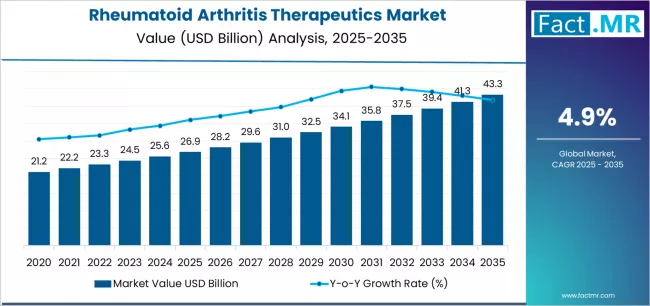
Rheumatoid arthritis therapeutics market is projected to grow from USD 26.9 billion in 2025 to USD 43.3 billion by 2035, at a CAGR of 4.9%. Biopharmaceuticals will dominate with a 88.6% market share, while prescription will lead the sales channel segment with a 90.0% share.
Rheumatoid Arthritis Therapeutics Market Forecast and Outlook 2025 to 2035
The global rheumatoid arthritis therapeutics market is projected to grow from USD 26.9 billion in 2025 to approximately USD 43.3 billion by 2035, recording an extraordinary absolute increase of USD 16.4 billion over the forecast period. This translates into a total growth of 61.0%, with the market forecast to expand at a compound annual growth rate (CAGR) of 4.9% between 2025 and 2035.
The scope for rheumatoid arthritis therapeutics is expected to grow 1.6X during this period, supported by exponential demand for advanced biologic therapies, rising adoption of targeted treatment protocols, and growing emphasis on disease management innovation and quality of life optimization across global rheumatology healthcare operations.
Quick Stats on Rheumatoid Arthritis Therapeutics Market
- Rheumatoid Arthritis Therapeutics Market Value (2025): USD 26.9 billion
- Rheumatoid Arthritis Therapeutics Market Forecast Value (2035): USD 43.3 billion
- Rheumatoid Arthritis Therapeutics Market Forecast CAGR (2025 to 2035): 4.9%
- Leading Molecule Type in Rheumatoid Arthritis Therapeutics Market: Biopharmaceuticals (88.6%)
- Leading Sales Channel in Rheumatoid Arthritis Therapeutics Market: Prescription (90.0%)
- Key Growth Regions in Rheumatoid Arthritis Therapeutics Market: North America, Asia Pacific, and Europe
- Key Players in Rheumatoid Arthritis Therapeutics Market: AbbVie Inc., Johnson & Johnson Services Inc., Roche, Amgen Inc., Pfizer Inc., Bristol-Myers Squibb, Novartis AG, UCB S.A., Regeneron Pharmaceuticals, Lilly

The rheumatoid arthritis therapeutics market is positioned for substantial expansion, driven by increasing recognition of early intervention importance, growing prevalence of autoimmune inflammatory conditions with enhanced treatment standard requirements, and rising adoption of advanced biologic and targeted synthetic disease-modifying therapies across rheumatology facilities globally.
The market demonstrates robust fundamentals supported by expanding specialty pharmaceutical infrastructure, rheumatologists' focus on personalized treatment protocols, and rising recognition of biopharmaceuticals as critical therapeutic components in achieving enhanced disease control outcomes, joint damage prevention capabilities, and functional improvement effectiveness within modern rheumatology healthcare architectures across diverse patient care applications.
Market growth is underpinned by technological innovations in rheumatoid arthritis treatment procedures, particularly TNF-α antagonist advancements and JAK inhibitor integration, which offer enhanced disease modification, improved patient response outcomes, and superior compatibility with comprehensive treatment protocols prevalent in contemporary rheumatology practices.
Healthcare providers increasingly prioritize therapeutic solutions that deliver optimal balance between clinical efficacy, safety profile, and treatment convenience while adhering to increasingly stringent regulatory standards and patient care requirements across global pharmaceutical markets.
The convergence of biologic therapy expansion in developed healthcare regions, biosimilar adoption growth in cost-conscious economies, and specialized rheumatology infrastructure development in emerging markets creates multifaceted growth opportunities for pharmaceutical manufacturers and rheumatology facility operators.
The rheumatoid arthritis therapeutics landscape is experiencing transformative changes as clinicians adopt sophisticated treatment approaches including targeted biologic therapies, advanced JAK inhibitor formulations, and personalized treatment algorithms that enable optimal disease control and improved patient outcomes.
These technological advancements are complemented by evolving therapeutic capabilities encompassing subcutaneous self-administration devices, extended-release formulations, and innovative combination therapy strategies that significantly improve treatment adherence and disease management effectiveness.
The integration of biosimilar alternatives and patient support programs further expands rheumatoid arthritis treatment accessibility, particularly benefiting patients requiring long-term therapy and healthcare systems where traditional biologic costs remain challenging.
Between 2025 and 2030, the rheumatoid arthritis therapeutics market is projected to expand from USD 26.9 billion to USD 34.6 billion, demonstrating strong foundational growth driven by global biologic therapy adoption expansion, increasing utilization of JAK inhibitor treatments, and initial deployment of biosimilar alternatives across hospital and specialty rheumatology healthcare platforms. This growth phase establishes market infrastructure, validates personalized treatment protocols, and creates comprehensive pharmaceutical supply networks supporting global rheumatology operations.
From 2030 to 2035, the market is forecast to reach USD 43.3 billion, driven by mature biologic therapy penetration, next-generation targeted therapies requiring sophisticated mechanism-of-action capabilities, and comprehensive integration of biosimilar competition systems demanding enhanced treatment accessibility. The growing adoption of combination therapy approaches, specialized patient-reported outcome monitoring, and personalized medicine strategies will drive demand for comprehensive rheumatoid arthritis therapeutic solutions with enhanced efficacy characteristics and seamless healthcare system integration functionality.
Rheumatoid Arthritis Therapeutics Market Key Takeaways
| Metric | Value |
|---|---|
| Estimated Value (2025E) | USD 26.9 billion |
| Forecast Value (2035F) | USD 43.3 billion |
| Forecast CAGR (2025 to 2035) | 4.9% |
Why is the Rheumatoid Arthritis Therapeutics Market Growing?
Market expansion is being supported by the exponential increase in chronic disease management spending and the corresponding need for sophisticated disease-modifying therapies in autoimmune condition applications across global healthcare operations. Modern rheumatology practitioners are increasingly focused on advanced biopharmaceutical solutions that can improve disease control, enhance functional outcomes, and optimize long-term joint preservation protocols while meeting stringent safety requirements.
The proven efficacy of biologic and targeted synthetic therapies in various rheumatoid arthritis patient populations makes them an essential component of comprehensive disease management strategies and quality of life improvement programs. The growing emphasis on treat-to-target standards and personalized medicine integration is driving demand for rheumatoid arthritis therapeutics that meet stringent performance specifications and clinical requirements for rheumatology applications.
Healthcare providers' preference for reliable, high-efficacy treatment options that can ensure consistent disease remission is creating opportunities for innovative drug development and customized therapeutic approaches. The rising influence of patient-centered care models and value-based healthcare standards is also contributing to increased adoption of premium-grade biopharmaceutical therapies across different patient categories and healthcare systems requiring advanced treatment technology.
Opportunity Pathways - Rheumatoid Arthritis Therapeutics Market
The rheumatoid arthritis therapeutics market represents a transformative growth opportunity, expanding from USD 26.9 billion in 2025 to USD 43.3 billion by 2035 at a 4.9% CAGR. As rheumatology practitioners prioritize disease remission optimization, specialized treatment personalization, and clinical excellence in complex autoimmune disease environments, rheumatoid arthritis therapeutics have evolved from symptomatic relief approaches to essential treatment components enabling precise inflammatory control, comprehensive joint protection strategies, and multi-target disease modification operations across hospital platforms and specialty rheumatology applications.
The convergence of biologic therapy advancement acceleration, increasing targeted synthetic DMARD penetration, biosimilar competition integration, and stringent disease control mandates creates momentum in demand. High-efficacy biologic therapies offering superior disease modification outcomes, cost-effective biosimilar alternatives balancing efficacy with economics, and specialized treatments for refractory disease applications will capture market premiums, while geographic expansion into high-growth Asian healthcare markets and emerging rheumatology ecosystems will drive volume leadership. Healthcare provider emphasis on therapeutic innovation and treatment reliability provides structural support.
- Pathway A - Biopharmaceuticals Molecule Dominance: Leading with 88.6% market share, biopharmaceutical applications drive primary demand through complex rheumatology workflows requiring comprehensive disease-modifying solutions for inflammatory arthritis management. Advanced biologic formulations enabling improved clinical remission, reduced structural damage progression, and enhanced patient quality of life command premium pricing from healthcare operators requiring stringent efficacy specifications and safety profiles. Expected revenue pool: USD 23.8-38.4 billion.
- Pathway B - Prescription Sales Channel Leadership: Dominating with 90.0% market share through optimal balance of clinical supervision necessity and specialty medication requirements, prescription channel applications serve most rheumatoid arthritis therapeutic requirements while meeting diverse patient safety demands. This channel addresses both biologic therapy administration and conventional DMARD dispensing expectations, making it the preferred category for rheumatologists and healthcare operations seeking comprehensive treatment oversight capabilities. Opportunity: USD 24.2-39.0 billion.
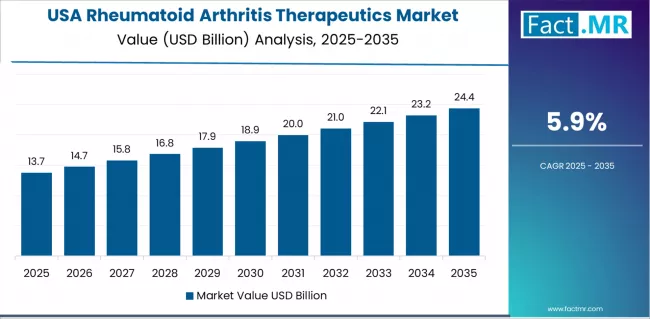
- Pathway C - North American Market Leadership: USA (5.9% CAGR) leads developed market growth through advanced healthcare infrastructure, comprehensive biologic adoption, and pharmaceutical innovation advancement. Strategic investments in specialty pharmacy networks, patient access programs, and clinical research enable the expansion of rheumatoid arthritis therapeutics in major metropolitan healthcare and academic medical centers. Geographic revenue leadership: USD 14.0-24.8 billion.
- Pathway D - Biologics Therapy Segment: Biologics with 55.0% of biopharmaceuticals share serve critical disease-modifying applications requiring targeted immune modulation for diverse patient populations. Optimized therapeutic mechanisms supporting multiple treatment algorithms, disease severity requirements, and proven clinical effectiveness maintain significant volumes from rheumatology practitioners and infusion centers. Revenue potential: USD 14.8-23.8 billion.
- Pathway E - Advanced Technologies & JAK Inhibitor Integration: Companies investing in sophisticated oral JAK inhibitor development, novel biologic mechanism innovations, and advanced patient selection biomarkers gain competitive advantages through differentiated therapeutic profiles and clinical outcomes. Advanced capabilities enabling personalized treatment specifications and rapid response assessment capture premium rheumatology partnerships. Technology premium: USD 8.5-13.7 billion.
- Pathway F - Biosimilar Competition & Access Expansion: Specialized biosimilar development programs, strategic market entry timing, and reliable manufacturing quality systems create competitive opportunities in markets requiring cost-effective biologic access. Companies offering proven bioequivalence, competitive pricing models, and comprehensive market support gain adoption among cost-conscious healthcare systems. Access value: USD 7.2-11.6 billion.
- Pathway G - Emerging Markets & Treatment Access Development: Beyond traditional developed healthcare markets, rheumatoid arthritis therapeutics in emerging Asian economies, Latin American healthcare systems, and Middle Eastern specialty centers represent growth opportunities. Companies developing access programs, supporting infrastructure initiatives, and expanding into underserved rheumatology markets capture incremental demand while improving global treatment availability. Emerging opportunity: USD 5.4-8.7 billion.
Segmental Analysis
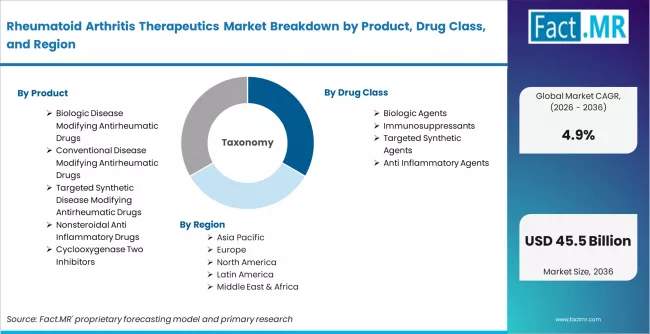
The market is segmented by molecule, sales channel, and region. By molecule, the market is divided into pharmaceuticals (NSAIDs, analgesics, DMARDs, glucocorticoids) and biopharmaceuticals including biologics (TNF-α antagonists, T-cell inhibitors, CD20 antigen, JAK inhibitors, anti-IL6 biologics) and biosimilars (CD20 antigen, TNF-α antagonists).
Based on sales channel, the market is categorized into prescription and over-the-counter (OTC). Regionally, the market is divided into North America, Asia Pacific, Europe, Latin America, and Middle East & Africa.
Which Molecule Dominates in the Rheumatoid Arthritis Therapeutics Market?
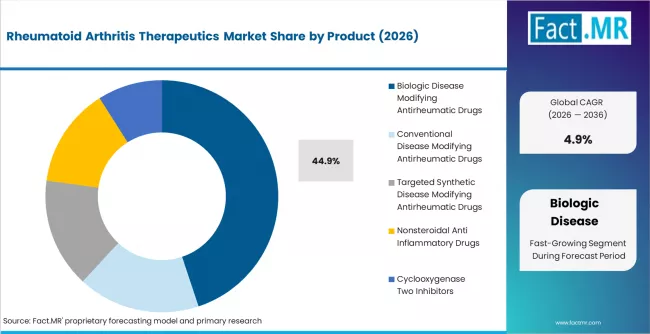
Biopharmaceuticals are projected to account for 88.6% of the rheumatoid arthritis therapeutics market in 2025, reaffirming its position as the category's dominant therapeutic class. Rheumatology practitioners increasingly recognize the optimal balance of disease-modifying efficacy and targeted mechanism specificity offered by biopharmaceuticals for moderate-to-severe rheumatoid arthritis management applications, particularly in biologic-naïve patient populations and refractory disease environments.
This molecule category addresses both inflammatory control requirements and structural damage prevention demands while providing superior clinical outcomes across diverse patient operations. This segment forms the foundation of most contemporary rheumatology treatment protocols for active disease management and long-term joint preservation, as it represents the most clinically effective and evidence-based therapeutic category in the rheumatoid arthritis pharmaceutical industry.
Clinical guideline standards and extensive real-world evidence continue to strengthen confidence in biopharmaceutical utilization among rheumatology operators and immunology professionals. With increasing recognition of early biologic intervention impact on disability prevention and quality of life requirements, biopharmaceuticals align with both current rheumatology practices and treat-to-target evolution goals, making them the central therapeutic driver of comprehensive disease management strategies across multiple patient care platforms.
Biologics represent 55.0% of biopharmaceuticals, providing established disease-modifying therapies with diverse mechanism options. TNF-α antagonists account for 15.0% of biopharmaceuticals, maintaining their role as first-line biologic options. JAK inhibitors comprise 8.0%, representing oral targeted synthetic DMARD alternatives. Anti-IL6 biologics account for 5.0%, T-cell inhibitors represent 3.0%, and CD20 antigen therapies comprise 2.6% of the biopharmaceuticals segment.
Which Sales Channel Exhibits Market Leadership in Rheumatoid Arthritis Therapeutics?

Prescription sales channels represent 90.0% of rheumatoid arthritis therapeutics demand in 2025, underscoring its role as the primary distribution category driving market adoption and medication dispensing. Healthcare systems recognize that prescription channel requirements, including physician-supervised therapy management, specialized medication monitoring, and comprehensive safety surveillance protocols, provide essential oversight that over-the-counter alternatives cannot provide for disease-modifying treatments.
Prescription medications utilized in rheumatoid arthritis care offer controlled therapeutic access and comprehensive clinical monitoring essential for serving biologic therapy administration and conventional DMARD management requirements. The segment is supported by the expanding nature of specialty pharmaceutical distribution, requiring channels capable of addressing biologic therapy cold-chain management, patient adherence monitoring, and adverse event surveillance, and the increasing recognition that prescription oversight enables optimal therapeutic outcomes and safety management.
Healthcare systems are increasingly adopting specialty pharmacy integration that facilitates comprehensive patient support for optimal treatment adherence and clinical outcome optimization. As understanding of rheumatoid arthritis treatment complexity advances and safety standards become more stringent, prescription-based therapeutic distribution will continue to play a crucial role in comprehensive disease management strategies.
Over-the-counter sales represent 10.0% of channels, primarily serving symptomatic relief applications with analgesics and NSAIDs for mild symptom management and adjunctive pain control in established treatment regimens.
Why do TNF-α Antagonists Maintain Therapeutic Significance?
The TNF-α antagonists segment represents 15.0% of biopharmaceuticals, serving critical first-line biologic therapy applications for moderate-to-severe rheumatoid arthritis. Rheumatology practitioners recognize that TNF-α antagonist applications, providing well-established efficacy profiles, extensive safety experience, and multiple administration options, represent foundational biologic therapy choices with proven disease-modifying capabilities.
This therapeutic class delivers both clinical effectiveness and practical treatment experience essential for initial biologic therapy selection in appropriate patient populations. TNF-α antagonists maintain their role as cornerstone biologic therapies due to extensive clinical evidence, established safety profiles across diverse patient populations, and availability in both subcutaneous self-injection and intravenous infusion formulations enabling personalized administration approaches.
How do JAK Inhibitors Represent Innovation Growth?
The JAK inhibitors segment accounts for 8.0% of biopharmaceuticals, representing critical oral targeted synthetic DMARD applications requiring convenient administration. Rheumatology practitioners increasingly recognize that JAK inhibitor applications, offering oral administration convenience, rapid onset of action, and novel mechanism targeting, provide important therapeutic alternatives for patients preferring non-injectable options or requiring additional treatment choices beyond traditional biologics.
JAK inhibitors represent significant therapeutic innovation through oral administration eliminating injection requirements, enabling convenient daily dosing that improves patient acceptance and potentially enhancing adherence in populations preferring oral medications over parenteral biologic administration.
What are the Drivers, Restraints, and Key Trends of the Rheumatoid Arthritis Therapeutics Market?
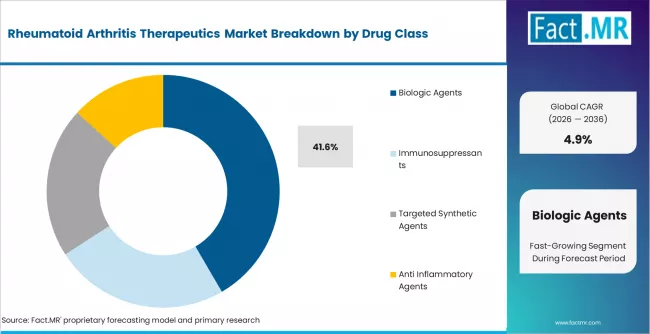
The rheumatoid arthritis therapeutics market is advancing rapidly due to increasing recognition of early intervention importance and growing demand for disease-modifying treatments across the rheumatology healthcare sector.
The market faces challenges, including high biologic therapy costs in resource-limited healthcare segments, biosimilar adoption barriers in some physician populations, and concerns about long-term safety monitoring in real-world clinical settings. Innovation in targeted therapy mechanisms and personalized treatment selection algorithms continues to influence therapeutic development and market expansion patterns.
Proliferation of Biosimilar Alternatives and Treatment Access Enhancement
The accelerating availability of biosimilar biopharmaceuticals is enabling improved treatment access and cost-effective disease management options that can address healthcare budget constraints while maintaining therapeutic efficacy.
Rheumatology practitioners increasingly consider biosimilar alternatives for treatment initiation and switching strategies, with regulatory-approved biosimilars providing clinically equivalent efficacy and safety profiles that are particularly important for expanding biologic access in cost-sensitive healthcare environments.
Biosimilar technologies provide opportunities for improved treatment penetration that can optimize population health management while reducing pharmaceutical expenditure across diverse healthcare systems.
Integration of Personalized Medicine Approaches and Biomarker-Guided Treatment Selection
Modern rheumatology organizations are incorporating advanced approaches such as predictive biomarker testing, pharmacogenomic assessment capabilities, and treatment response monitoring systems to enhance therapeutic selection and patient outcomes.
These systems improve treatment success rates, enable optimized therapy matching to individual patient characteristics, and provide better alignment between disease phenotype and mechanism-targeted interventions throughout the treatment journey.
Advanced personalized medicine capabilities also enable early identification of non-responders and strategic treatment adjustments, supporting proactive disease management and improved long-term outcome optimization.
Analysis of the Rheumatoid Arthritis Therapeutics Market by Key Countries

| Country | CAGR (2025 to 2035) |
|---|---|
| Brazil | 6.3% |
| China | 6.1% |
| USA | 5.9% |
| Japan | 5.5% |
| Germany | 5.3% |
| Saudi Arabia | 5.1% |
| UK | 4.9% |
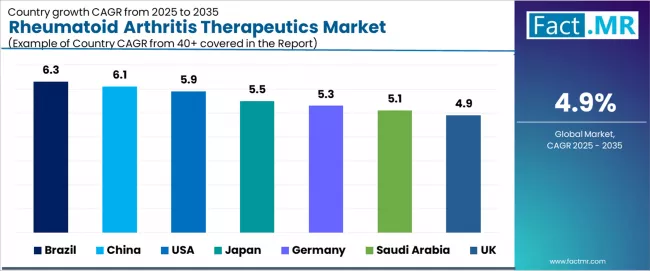
The rheumatoid arthritis therapeutics market is experiencing exceptional growth globally, with Brazil leading at a 6.3% CAGR through 2035, driven by expanding patient base identification, growing urban hospital biologic adoption, and increasing local biosimilar manufacturing across major metropolitan healthcare centers. China follows at 6.1%, supported by rapid urbanization, improving biologic therapy access, and rising rheumatoid arthritis disease awareness and diagnosis initiatives.
USA demonstrates 5.9% growth, emphasizing advanced healthcare infrastructure, comprehensive biologic utilization, and continuous pharmaceutical pipeline innovation. Japan shows 5.5% growth with aging population demographics and personalized medicine advancement focus.
Germany records 5.3% growth, representing strong biologic market penetration and domestic pharmaceutical manufacturing capabilities, while Saudi Arabia shows 5.1% growth, representing private healthcare investment and urban biologic adoption, and the UK demonstrates 4.9% growth, representing cost-effective biosimilar adoption and specialty clinic network expansion.
How does Brazil Demonstrate Exceptional Market Potential with Large Patient Base?
The rheumatoid arthritis therapeutics market inBrazil is projected to exhibit exceptional growth with a CAGR of 6.3% through 2035, driven by large undiagnosed patient population and increasing recognition of disease-modifying therapy as essential for preventing disability and improving quality of life. The country's expanding healthcare infrastructure and growing availability of rheumatology specialty services are creating significant opportunities for therapeutic deployment across both public health system facilities and private hospital networks.
Major international pharmaceutical companies and domestic biosimilar manufacturers are establishing market presence to serve the expanding population of diagnosed rheumatoid arthritis patients requiring disease-modifying therapies across urban rheumatology centers, teaching hospitals, and specialty infusion facilities throughout Brazil's diverse metropolitan regions.
The Brazilian government's healthcare policy emphasis on chronic disease management and specialty medication access is driving pharmaceutical market development and biosimilar adoption initiatives. This policy environment, combined with the country's large population and growing middle-class healthcare access, creates favorable conditions for rheumatoid arthritis therapeutics market expansion. Brazilian rheumatology providers are increasingly adopting evidence-based treatment protocols, with biologic and biosimilar therapies representing key components in modernizing rheumatoid arthritis care.
- Healthcare infrastructure expansion and specialty rheumatology service development are driving demand for disease-modifying therapies across public and private healthcare segments
- Biosimilar manufacturing initiatives and improved medication access programs are supporting increased utilization of biopharmaceuticals among rheumatology providers nationwide
- Patients and healthcare providers are increasingly recognizing early intervention importance in preventing joint damage, creating expanded treatment demand
- Rising healthcare investment and growing rheumatology specialty training are accelerating biologic therapy adoption across patient populations
What makes China Demonstrate Market Leadership with Improving Biologic Access?
The rheumatoid arthritis therapeutics market inChina is expanding at a CAGR of 6.1%, supported by the world's largest population, rapidly improving healthcare access to specialty medications, and advancing rheumatology diagnostic capabilities across the country's developing urban healthcare corridors.
The country's massive patient population and increasing sophistication of rheumatology care platforms are driving demand for disease-modifying therapeutic solutions in both hospital-based treatment and specialty clinic applications. International pharmaceutical manufacturers and domestic biologic producers are expanding market access to serve growing demand for rheumatoid arthritis treatments while supporting the country's healthcare modernization objectives.
China's pharmaceutical market continues to benefit from healthcare reform policies, expanding insurance coverage for specialty medications, and growing emphasis on chronic disease management. The country's focus on improving biologic therapy affordability and accessibility is driving market development for advanced rheumatoid arthritis treatments. This evolution is particularly important for biopharmaceutical applications, as healthcare systems seek to provide modern disease-modifying options to large patient populations previously limited to conventional synthetic DMARDs.
- Rising disease awareness and improving rheumatology diagnostic capabilities are creating opportunities for expanded therapeutic utilization
- Growing healthcare insurance coverage and national reimbursement policies are supporting increased access to biologic and biosimilar therapies
- Expanding specialty hospital networks and rheumatology expertise are driving adoption of advanced treatment protocols
- Domestic biologic and biosimilar manufacturing development is enabling improved treatment affordability and market penetration
Why does the USA Maintain Advanced Healthcare Infrastructure Leadership?

The USA's advanced rheumatoid arthritis therapeutics market demonstrates sophisticated biologic therapy utilization with documented clinical effectiveness across diverse patient populations through integration with comprehensive specialty pharmacy networks and patient support programs.
The country leverages pharmaceutical innovation leadership and extensive clinical research infrastructure to maintain a 5.9% CAGR through 2035. Rheumatology centers, including academic medical institutions and specialty practices, showcase advanced treatment implementations where multiple biologic mechanism options integrate with personalized medicine approaches and ongoing pipeline drug evaluations to optimize individual patient outcomes.
American healthcare providers prioritize evidence-based treatment selection and patient-centered care in rheumatoid arthritis management, creating sustained demand for innovative biopharmaceutical solutions with differentiated efficacy profiles, convenient administration options, and comprehensive patient support services. The market benefits from established specialty care infrastructure and robust pharmaceutical development pipelines that drive continuous therapeutic advancement.
Strategic Market Considerations:
- Specialty rheumatology and academic medical centers leading adoption with focus on novel mechanism therapies and personalized treatment strategies
- High clinical standards driving diverse therapeutic portfolios from established TNF-α antagonists to emerging targeted agents
- Pharmaceutical innovation excellence and clinical trial infrastructure supporting continued drug development leadership
- Value-based care initiatives and outcomes measurement emphasis influencing treatment selection and healthcare delivery models
What drives Japan’s Market Growth with Aging Population Demographics?

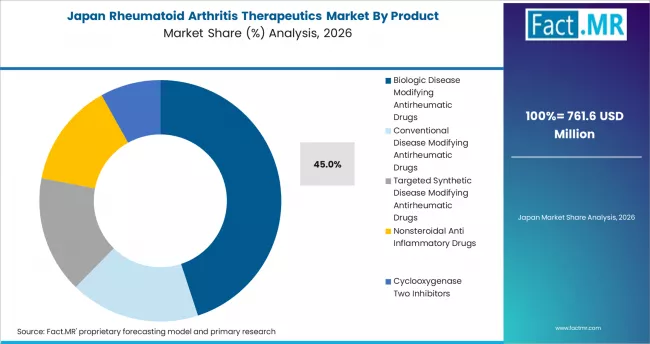
Japan's established rheumatoid arthritis therapeutics market demonstrates steady growth with a 5.5% CAGR through 2035, driven by rapidly aging population demographics, high disease diagnosis rates, and sophisticated personalized medicine implementation across comprehensive healthcare systems.
The country's advanced rheumatology care standards and extensive clinical experience with biologic therapies create sustained demand for both established and novel disease-modifying treatments. Japanese rheumatology practitioners emphasize careful patient selection and treatment monitoring in biopharmaceutical utilization.
Market dynamics focus on proven efficacy therapeutics that balance clinical effectiveness with safety profile considerations important to Japanese medical practice standards and elderly patient population needs. Ongoing personalized medicine advancement creates opportunities for biomarker-guided treatment selection and optimized therapy matching.
Strategic Market Considerations:
- Aging patient population and established rheumatology networks demonstrating growth with emphasis on safety-focused treatment approaches
- High diagnosis rates driving sophisticated treatment algorithms from conventional DMARDs to targeted biologic options
- Clinical experience and evidence-based medicine supporting continued market maturity with established therapeutic adoption
- Patient monitoring and safety surveillance emphasis ensuring careful biopharmaceutical utilization in elderly populations
What drives Germany’s Market Growth with Strong Biologic Penetration?
Germany's mature rheumatoid arthritis therapeutics market demonstrates solid growth with a 5.3% CAGR through 2035, driven by strong biologic therapy penetration, comprehensive rheumatology specialty networks, and domestic pharmaceutical manufacturing capabilities supporting both originator and biosimilar markets.
The country's advanced healthcare infrastructure and evidence-based treatment protocols create sustained demand for disease-modifying biopharmaceuticals across diverse patient populations. German rheumatology care emphasizes structured treatment approaches and systematic disease monitoring.
Market dynamics focus on evidence-based therapeutic selection that balances clinical efficacy with healthcare economic considerations important to German medical system sustainability and quality standards. Growing biosimilar adoption creates opportunities for expanded treatment access while managing pharmaceutical expenditure.
Strategic Market Considerations:
- Established rheumatology networks and specialty care demonstrating growth with emphasis on guideline-based treatment protocols
- Strong biologic utilization driving therapeutic portfolios including both originator biologics and biosimilar alternatives
- Healthcare system efficiency and pharmaceutical manufacturing expertise supporting competitive market dynamics
- Clinical outcome measurement and treatment-to-target approaches influencing systematic disease management strategies
How will Private Healthcare Investment drive Market Growth in Saudi Arabia?
Saudi Arabia's expanding rheumatoid arthritis therapeutics market demonstrates moderate growth with a 5.1% CAGR through 2035, driven by private healthcare sector investment, urban specialty care development, and growing access to advanced biologic therapies across major metropolitan centers.
The country's healthcare modernization initiatives and emphasis on specialty medical services create opportunities for premium therapeutic adoption. Saudi healthcare providers increasingly offer comprehensive rheumatology services with biologic therapy access.
Market dynamics focus on international-standard therapeutics that align with private healthcare positioning and specialty center capabilities. Growing healthcare investment creates opportunities for expanded rheumatology infrastructure and treatment access programs.
Strategic Market Considerations:
- Private hospitals and specialty centers leading growth with emphasis on comprehensive rheumatology services and biologic therapy access
- Healthcare modernization priorities driving adoption of advanced therapeutic options and international treatment standards
- Urban market concentration supporting specialty pharmacy development and biologic distribution infrastructure
- Patient access and insurance coverage evolution influencing treatment affordability and market penetration patterns
What drives UK’s Market Growth with Biosimilar Adoption Focus?
The UK's evolving rheumatoid arthritis therapeutics market demonstrates moderate growth with a 4.9% CAGR through 2035, driven by systematic biosimilar adoption strategies, strong specialty clinic networks, and evidence-based cost-effectiveness assessment approaches within the national health system framework.
The country's emphasis on healthcare value optimization and biosimilar substitution policies create structured market dynamics balancing therapeutic innovation with budget sustainability. UK rheumatology services prioritize guideline-based treatment algorithms and systematic biosimilar integration.
Market dynamics focus on cost-effective therapeutic options that balance clinical outcomes with healthcare economic sustainability considerations important to NHS operational priorities and population health objectives. Systematic biosimilar adoption creates opportunities for expanded treatment access while managing pharmaceutical expenditure within national health system budgets.
Strategic Market Considerations:
- NHS rheumatology services and specialty clinics demonstrating growth with emphasis on cost-effective biosimilar adoption
- Healthcare value assessment and NICE guidance driving treatment selection based on clinical and economic evidence
- Biosimilar substitution policies supporting market transition from originator biologics to biosimilar alternatives
- Clinical outcome focus and treat-to-target implementation ensuring therapeutic effectiveness within budget-conscious healthcare delivery
Europe Market Split by Country

The rheumatoid arthritis therapeutics market in Europe is projected to grow from USD 6.8 billion in 2025 to USD 11.2 billion by 2035, registering a CAGR of 5.1% over the forecast period. Germany is expected to maintain its leadership position with a 38.2% market share in 2025, rising to 39.6% by 2035, supported by its dominant rheumatology specialty infrastructure, comprehensive biologic therapy utilization capabilities, and advanced pharmaceutical manufacturing excellence throughout major university hospitals and specialty rheumatology networks.
France follows with a 22.4% share in 2025, projected to reach 23.1% by 2035, driven by comprehensive rheumatology care systems, established biologic therapy adoption, and expanding biosimilar utilization serving both domestic and European clinical communities. The UK holds a 17.6% share in 2025, expected to increase to 18.2% by 2035, supported by systematic biosimilar integration policies and specialty clinic network development.
Italy commands a 12.8% share in 2025, projected to reach 11.4% by 2035, while Spain accounts for 7.2% in 2025, expected to reach 6.1% by 2035. The Rest of Europe region, including Nordic countries with advanced healthcare systems, Eastern European emerging rheumatology markets, and smaller Western European specialty care centers, is anticipated to hold 1.8% in 2025, declining slightly to 1.6% by 2035, attributed to market consolidation toward larger core markets with established rheumatology infrastructure and pharmaceutical distribution expertise.
Competitive Landscape of the Rheumatoid Arthritis Therapeutics Market

The rheumatoid arthritis therapeutics market is characterized by intense competition among established pharmaceutical manufacturers, specialized biologic developers, and comprehensive biopharmaceutical organizations focused on delivering high-quality, clinically effective, and evidence-based therapeutic solutions.
Companies are investing in drug development innovation programs, clinical trial excellence, strategic healthcare provider partnerships, and comprehensive patient support initiatives to deliver safe, effective, and accessible rheumatoid arthritis treatments that meet stringent regulatory standards and clinical expectations. Therapeutic differentiation, clinical evidence generation, and market access strategies are central to strengthening product portfolios and market presence.
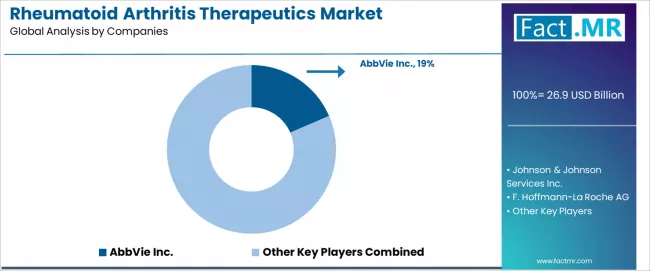
AbbVie Inc. leads the market with an 18.5% market share, offering comprehensive rheumatoid arthritis therapeutic solutions with focus on TNF-α antagonist expertise and JAK inhibitor innovation capabilities for rheumatology and immunology applications. Johnson & Johnson Services Inc. provides specialized biologic therapy platforms with emphasis on mechanism diversity and subcutaneous administration convenience across global rheumatology markets.
F. Hoffmann-La Roche AG focuses on comprehensive biopharmaceutical solutions and rituximab expertise serving international healthcare communities. Amgen Inc. delivers specialized biosimilar development with strong market access capabilities and competitive positioning.
Pfizer Inc. operates with focus on diverse mechanism portfolio including JAK inhibitors and biosimilar offerings. Bristol-Myers Squibb provides targeted therapy expertise emphasizing novel mechanisms and treatment alternatives. Novartis AG specializes in IL-17 and other innovative mechanism development with emphasis on treatment differentiation.
UCB S.A. delivers specialized biologic solutions to enhance treatment options and provide mechanism diversity. Regeneron Pharmaceuticals and Lilly focus on innovative biologic development and comprehensive rheumatology portfolios, emphasizing clinical differentiation and patient outcome optimization through dedicated therapeutic development strategies.
Key Players in the Rheumatoid Arthritis Therapeutics Market
- AbbVie Inc.
- Johnson & Johnson Services Inc.
- F. Hoffmann-La Roche AG
- Amgen Inc.
- Pfizer Inc.
- Bristol Myers Squibb Company
- Novartis AG
- UCB S.A.
- Regeneron Pharmaceuticals Inc.
- Eli Lilly and Company
Scope of the Report
| Items | Values |
|---|---|
| Quantitative Units (2025) | USD 26.9 Billion |
| Molecule | Pharmaceuticals (NSAIDs, Analgesics, DMARDs, Glucocorticoids), Biopharmaceuticals - Biologics (TNF-α Antagonists, T-cell Inhibitors, CD20 Antigen, JAK Inhibitors, Anti-IL6 Biologics), Biosimilars (CD20 Antigen, TNF-α Antagonists) |
| Sales Channel | Prescription, Over-the-Counter (OTC) |
| Regions Covered | North America, Asia Pacific, Europe, Latin America, Middle East & Africa |
| Countries Covered | USA, Germany, UK, Japan, China, Brazil, Saudi Arabia and 40+ countries |
| Key Companies Profiled | AbbVie Inc., Johnson & Johnson Services Inc., Roche, Amgen Inc., Pfizer Inc., Bristol-Myers Squibb, Novartis AG, UCB S.A., Regeneron Pharmaceuticals, Lilly |
| Additional Attributes | Dollar sales by molecule type, sales channel, regional demand trends, competitive landscape, rheumatology provider preferences for specific therapeutic mechanisms, integration with comprehensive disease management systems, innovations in biologic development, biosimilar competition advancement, and clinical outcome optimization capabilities |
Rheumatoid Arthritis Therapeutics Market by Segments
-
Molecule :
- Pharmaceuticals
- NSAIDs
- Analgesics
- DMARDs
- Glucocorticoids
- Biopharmaceuticals
- Biologics
- TNF-α Antagonists
- T-cell Inhibitors
- CD20 Antigen
- JAK Inhibitors
- Anti-IL6 Biologics
- Biosimilars
- CD20 Antigen
- TNF-α Antagonists
- Biologics
- Pharmaceuticals
-
Sales Channel :
- Prescription
- Over-the-Counter (OTC)
-
Region :
- North America
- United States
- Canada
- Mexico
- Asia Pacific
- China
- India
- Japan
- South Korea
- ASEAN
- Australia & New Zealand
- Rest of Asia Pacific
- Europe
- Germany
- France
- UK
- Italy
- Spain
- Nordic
- BENELUX
- Rest of Europe
- Latin America
- Brazil
- Argentina
- Chile
- Rest of Latin America
- Middle East & Africa
- Kingdom of Saudi Arabia
- Other GCC Countries
- Turkey
- South Africa
- Other African Countries
- Rest of Middle East & Africa
- North America
Table of Content
- Executive Summary
- Global Market Outlook
- Demand to side Trends
- Supply to side Trends
- Technology Roadmap Analysis
- Analysis and Recommendations
- Market Overview
- Market Coverage / Taxonomy
- Market Definition / Scope / Limitations
- Market Background
- Market Dynamics
- Drivers
- Restraints
- Opportunity
- Trends
- Scenario Forecast
- Demand in Optimistic Scenario
- Demand in Likely Scenario
- Demand in Conservative Scenario
- Opportunity Map Analysis
- Product Life Cycle Analysis
- Supply Chain Analysis
- Investment Feasibility Matrix
- Value Chain Analysis
- PESTLE and Porter’s Analysis
- Regulatory Landscape
- Regional Parent Market Outlook
- Production and Consumption Statistics
- Import and Export Statistics
- Market Dynamics
- Global Market Analysis 2020 to 2024 and Forecast, 2025 to 2035
- Historical Market Size Value (USD Million) Analysis, 2020 to 2024
- Current and Future Market Size Value (USD Million) Projections, 2025 to 2035
- Y to o to Y Growth Trend Analysis
- Absolute $ Opportunity Analysis
- Global Market Pricing Analysis 2020 to 2024 and Forecast 2025 to 2035
- Global Market Analysis 2020 to 2024 and Forecast 2025 to 2035, By Molecule
- Introduction / Key Findings
- Historical Market Size Value (USD Million) Analysis By Molecule , 2020 to 2024
- Current and Future Market Size Value (USD Million) Analysis and Forecast By Molecule , 2025 to 2035
- Biopharmaceuticals
- Pharmaceuticals
- Y to o to Y Growth Trend Analysis By Molecule , 2020 to 2024
- Absolute $ Opportunity Analysis By Molecule , 2025 to 2035
- Global Market Analysis 2020 to 2024 and Forecast 2025 to 2035, By Sales Channel
- Introduction / Key Findings
- Historical Market Size Value (USD Million) Analysis By Sales Channel, 2020 to 2024
- Current and Future Market Size Value (USD Million) Analysis and Forecast By Sales Channel, 2025 to 2035
- Prescription
- Over-the-Counter (OTC)
- Y to o to Y Growth Trend Analysis By Sales Channel, 2020 to 2024
- Absolute $ Opportunity Analysis By Sales Channel, 2025 to 2035
- Global Market Analysis 2020 to 2024 and Forecast 2025 to 2035, By Region
- Introduction
- Historical Market Size Value (USD Million) Analysis By Region, 2020 to 2024
- Current Market Size Value (USD Million) Analysis and Forecast By Region, 2025 to 2035
- North America
- Latin America
- Western Europe
- Eastern Europe
- East Asia
- South Asia and Pacific
- Middle East & Africa
- Market Attractiveness Analysis By Region
- North America Market Analysis 2020 to 2024 and Forecast 2025 to 2035, By Country
- Historical Market Size Value (USD Million) Trend Analysis By Market Taxonomy, 2020 to 2024
- Market Size Value (USD Million) Forecast By Market Taxonomy, 2025 to 2035
- By Country
- USA
- Canada
- Mexico
- By Molecule
- By Sales Channel
- By Country
- Market Attractiveness Analysis
- By Country
- By Molecule
- By Sales Channel
- Key Takeaways
- Latin America Market Analysis 2020 to 2024 and Forecast 2025 to 2035, By Country
- Historical Market Size Value (USD Million) Trend Analysis By Market Taxonomy, 2020 to 2024
- Market Size Value (USD Million) Forecast By Market Taxonomy, 2025 to 2035
- By Country
- Brazil
- Chile
- Rest of Latin America
- By Molecule
- By Sales Channel
- By Country
- Market Attractiveness Analysis
- By Country
- By Molecule
- By Sales Channel
- Key Takeaways
- Western Europe Market Analysis 2020 to 2024 and Forecast 2025 to 2035, By Country
- Historical Market Size Value (USD Million) Trend Analysis By Market Taxonomy, 2020 to 2024
- Market Size Value (USD Million) Forecast By Market Taxonomy, 2025 to 2035
- By Country
- Germany
- UK
- Italy
- Spain
- France
- Nordic
- BENELUX
- Rest of Western Europe
- By Molecule
- By Sales Channel
- By Country
- Market Attractiveness Analysis
- By Country
- By Molecule
- By Sales Channel
- Key Takeaways
- Eastern Europe Market Analysis 2020 to 2024 and Forecast 2025 to 2035, By Country
- Historical Market Size Value (USD Million) Trend Analysis By Market Taxonomy, 2020 to 2024
- Market Size Value (USD Million) Forecast By Market Taxonomy, 2025 to 2035
- By Country
- Russia
- Poland
- Hungary
- Balkan & Baltic
- Rest of Eastern Europe
- By Molecule
- By Sales Channel
- By Country
- Market Attractiveness Analysis
- By Country
- By Molecule
- By Sales Channel
- Key Takeaways
- East Asia Market Analysis 2020 to 2024 and Forecast 2025 to 2035, By Country
- Historical Market Size Value (USD Million) Trend Analysis By Market Taxonomy, 2020 to 2024
- Market Size Value (USD Million) Forecast By Market Taxonomy, 2025 to 2035
- By Country
- China
- Japan
- South Korea
- By Molecule
- By Sales Channel
- By Country
- Market Attractiveness Analysis
- By Country
- By Molecule
- By Sales Channel
- Key Takeaways
- South Asia and Pacific Market Analysis 2020 to 2024 and Forecast 2025 to 2035, By Country
- Historical Market Size Value (USD Million) Trend Analysis By Market Taxonomy, 2020 to 2024
- Market Size Value (USD Million) Forecast By Market Taxonomy, 2025 to 2035
- By Country
- India
- ASEAN
- Australia & New Zealand
- Rest of South Asia and Pacific
- By Molecule
- By Sales Channel
- By Country
- Market Attractiveness Analysis
- By Country
- By Molecule
- By Sales Channel
- Key Takeaways
- Middle East & Africa Market Analysis 2020 to 2024 and Forecast 2025 to 2035, By Country
- Historical Market Size Value (USD Million) Trend Analysis By Market Taxonomy, 2020 to 2024
- Market Size Value (USD Million) Forecast By Market Taxonomy, 2025 to 2035
- By Country
- Kingdom of Saudi Arabia
- Other GCC Countries
- Turkiye
- South Africa
- Other African Union
- Rest of Middle East & Africa
- By Molecule
- By Sales Channel
- By Country
- Market Attractiveness Analysis
- By Country
- By Molecule
- By Sales Channel
- Key Takeaways
- Key Countries Market Analysis
- USA
- Pricing Analysis
- Market Share Analysis, 2024
- By Molecule
- By Sales Channel
- Canada
- Pricing Analysis
- Market Share Analysis, 2024
- By Molecule
- By Sales Channel
- Mexico
- Pricing Analysis
- Market Share Analysis, 2024
- By Molecule
- By Sales Channel
- Brazil
- Pricing Analysis
- Market Share Analysis, 2024
- By Molecule
- By Sales Channel
- Chile
- Pricing Analysis
- Market Share Analysis, 2024
- By Molecule
- By Sales Channel
- Germany
- Pricing Analysis
- Market Share Analysis, 2024
- By Molecule
- By Sales Channel
- UK
- Pricing Analysis
- Market Share Analysis, 2024
- By Molecule
- By Sales Channel
- Italy
- Pricing Analysis
- Market Share Analysis, 2024
- By Molecule
- By Sales Channel
- Spain
- Pricing Analysis
- Market Share Analysis, 2024
- By Molecule
- By Sales Channel
- France
- Pricing Analysis
- Market Share Analysis, 2024
- By Molecule
- By Sales Channel
- India
- Pricing Analysis
- Market Share Analysis, 2024
- By Molecule
- By Sales Channel
- ASEAN
- Pricing Analysis
- Market Share Analysis, 2024
- By Molecule
- By Sales Channel
- Australia & New Zealand
- Pricing Analysis
- Market Share Analysis, 2024
- By Molecule
- By Sales Channel
- China
- Pricing Analysis
- Market Share Analysis, 2024
- By Molecule
- By Sales Channel
- Japan
- Pricing Analysis
- Market Share Analysis, 2024
- By Molecule
- By Sales Channel
- South Korea
- Pricing Analysis
- Market Share Analysis, 2024
- By Molecule
- By Sales Channel
- Russia
- Pricing Analysis
- Market Share Analysis, 2024
- By Molecule
- By Sales Channel
- Poland
- Pricing Analysis
- Market Share Analysis, 2024
- By Molecule
- By Sales Channel
- Hungary
- Pricing Analysis
- Market Share Analysis, 2024
- By Molecule
- By Sales Channel
- Kingdom of Saudi Arabia
- Pricing Analysis
- Market Share Analysis, 2024
- By Molecule
- By Sales Channel
- Turkiye
- Pricing Analysis
- Market Share Analysis, 2024
- By Molecule
- By Sales Channel
- South Africa
- Pricing Analysis
- Market Share Analysis, 2024
- By Molecule
- By Sales Channel
- USA
- Market Structure Analysis
- Competition Dashboard
- Competition Benchmarking
- Market Share Analysis of Top Players
- By Regional
- By Molecule
- By Sales Channel
- Competition Analysis
- Competition Deep Dive
- AbbVie Inc.
- Overview
- Product Portfolio
- Profitability by Market Segments (Product/Age /Sales Channel/Region)
- Sales Footprint
- Strategy Overview
- Marketing Strategy
- Product Strategy
- Channel Strategy
- Johnson & Johnson Services Inc.
- F. Hoffmann-La Roche AG
- Amgen Inc.
- Pfizer Inc.
- Bristol Myers Squibb Company
- Novartis AG
- UCB S.A.
- Regeneron Pharmaceuticals Inc.
- Eli Lilly and Company
- AbbVie Inc.
- Competition Deep Dive
- Assumptions & Acronyms Used
- Research Methodology
List Of Table
- Table 1: Global Market Value (USD Million) Forecast by Region, 2020 to 2035
- Table 2: Global Market Value (USD Million) Forecast by Molecule, 2020 to 2035
- Table 3: Global Market Value (USD Million) Forecast by Sales Channel, 2020 to 2035
- Table 4: North America Market Value (USD Million) Forecast by Country, 2020 to 2035
- Table 5: North America Market Value (USD Million) Forecast by Molecule, 2020 to 2035
- Table 6: North America Market Value (USD Million) Forecast by Sales Channel, 2020 to 2035
- Table 7: Latin America Market Value (USD Million) Forecast by Country, 2020 to 2035
- Table 8: Latin America Market Value (USD Million) Forecast by Molecule, 2020 to 2035
- Table 9: Latin America Market Value (USD Million) Forecast by Sales Channel, 2020 to 2035
- Table 10: Western Europe Market Value (USD Million) Forecast by Country, 2020 to 2035
- Table 11: Western Europe Market Value (USD Million) Forecast by Molecule, 2020 to 2035
- Table 12: Western Europe Market Value (USD Million) Forecast by Sales Channel, 2020 to 2035
- Table 13: Eastern Europe Market Value (USD Million) Forecast by Country, 2020 to 2035
- Table 14: Eastern Europe Market Value (USD Million) Forecast by Molecule, 2020 to 2035
- Table 15: Eastern Europe Market Value (USD Million) Forecast by Sales Channel, 2020 to 2035
- Table 16: East Asia Market Value (USD Million) Forecast by Country, 2020 to 2035
- Table 17: East Asia Market Value (USD Million) Forecast by Molecule, 2020 to 2035
- Table 18: East Asia Market Value (USD Million) Forecast by Sales Channel, 2020 to 2035
- Table 19: South Asia and Pacific Market Value (USD Million) Forecast by Country, 2020 to 2035
- Table 20: South Asia and Pacific Market Value (USD Million) Forecast by Molecule, 2020 to 2035
- Table 21: South Asia and Pacific Market Value (USD Million) Forecast by Sales Channel, 2020 to 2035
- Table 22: Middle East & Africa Market Value (USD Million) Forecast by Country, 2020 to 2035
- Table 23: Middle East & Africa Market Value (USD Million) Forecast by Molecule, 2020 to 2035
- Table 24: Middle East & Africa Market Value (USD Million) Forecast by Sales Channel, 2020 to 2035
List Of Figures
- Figure 1: Global Market Pricing Analysis
- Figure 2: Global Market Value (USD Million) Forecast 2020 to 2035
- Figure 3: Global Market Value Share and BPS Analysis by Molecule, 2025 and 2035
- Figure 4: Global Market Y to o to Y Growth Comparison by Molecule, 2025 to 2035
- Figure 5: Global Market Attractiveness Analysis by Molecule
- Figure 6: Global Market Value Share and BPS Analysis by Sales Channel, 2025 and 2035
- Figure 7: Global Market Y to o to Y Growth Comparison by Sales Channel, 2025 to 2035
- Figure 8: Global Market Attractiveness Analysis by Sales Channel
- Figure 9: Global Market Value (USD Million) Share and BPS Analysis by Region, 2025 and 2035
- Figure 10: Global Market Y to o to Y Growth Comparison by Region, 2025 to 2035
- Figure 11: Global Market Attractiveness Analysis by Region
- Figure 12: North America Market Incremental Dollar Opportunity, 2025 to 2035
- Figure 13: Latin America Market Incremental Dollar Opportunity, 2025 to 2035
- Figure 14: Western Europe Market Incremental Dollar Opportunity, 2025 to 2035
- Figure 15: Eastern Europe Market Incremental Dollar Opportunity, 2025 to 2035
- Figure 16: East Asia Market Incremental Dollar Opportunity, 2025 to 2035
- Figure 17: South Asia and Pacific Market Incremental Dollar Opportunity, 2025 to 2035
- Figure 18: Middle East & Africa Market Incremental Dollar Opportunity, 2025 to 2035
- Figure 19: North America Market Value Share and BPS Analysis by Country, 2025 and 2035
- Figure 20: North America Market Value Share and BPS Analysis by Molecule, 2025 and 2035
- Figure 21: North America Market Y to o to Y Growth Comparison by Molecule, 2025 to 2035
- Figure 22: North America Market Attractiveness Analysis by Molecule
- Figure 23: North America Market Value Share and BPS Analysis by Sales Channel, 2025 and 2035
- Figure 24: North America Market Y to o to Y Growth Comparison by Sales Channel, 2025 to 2035
- Figure 25: North America Market Attractiveness Analysis by Sales Channel
- Figure 26: Latin America Market Value Share and BPS Analysis by Country, 2025 and 2035
- Figure 27: Latin America Market Value Share and BPS Analysis by Molecule, 2025 and 2035
- Figure 28: Latin America Market Y to o to Y Growth Comparison by Molecule, 2025 to 2035
- Figure 29: Latin America Market Attractiveness Analysis by Molecule
- Figure 30: Latin America Market Value Share and BPS Analysis by Sales Channel, 2025 and 2035
- Figure 31: Latin America Market Y to o to Y Growth Comparison by Sales Channel, 2025 to 2035
- Figure 32: Latin America Market Attractiveness Analysis by Sales Channel
- Figure 33: Western Europe Market Value Share and BPS Analysis by Country, 2025 and 2035
- Figure 34: Western Europe Market Value Share and BPS Analysis by Molecule, 2025 and 2035
- Figure 35: Western Europe Market Y to o to Y Growth Comparison by Molecule, 2025 to 2035
- Figure 36: Western Europe Market Attractiveness Analysis by Molecule
- Figure 37: Western Europe Market Value Share and BPS Analysis by Sales Channel, 2025 and 2035
- Figure 38: Western Europe Market Y to o to Y Growth Comparison by Sales Channel, 2025 to 2035
- Figure 39: Western Europe Market Attractiveness Analysis by Sales Channel
- Figure 40: Eastern Europe Market Value Share and BPS Analysis by Country, 2025 and 2035
- Figure 41: Eastern Europe Market Value Share and BPS Analysis by Molecule, 2025 and 2035
- Figure 42: Eastern Europe Market Y to o to Y Growth Comparison by Molecule, 2025 to 2035
- Figure 43: Eastern Europe Market Attractiveness Analysis by Molecule
- Figure 44: Eastern Europe Market Value Share and BPS Analysis by Sales Channel, 2025 and 2035
- Figure 45: Eastern Europe Market Y to o to Y Growth Comparison by Sales Channel, 2025 to 2035
- Figure 46: Eastern Europe Market Attractiveness Analysis by Sales Channel
- Figure 47: East Asia Market Value Share and BPS Analysis by Country, 2025 and 2035
- Figure 48: East Asia Market Value Share and BPS Analysis by Molecule, 2025 and 2035
- Figure 49: East Asia Market Y to o to Y Growth Comparison by Molecule, 2025 to 2035
- Figure 50: East Asia Market Attractiveness Analysis by Molecule
- Figure 51: East Asia Market Value Share and BPS Analysis by Sales Channel, 2025 and 2035
- Figure 52: East Asia Market Y to o to Y Growth Comparison by Sales Channel, 2025 to 2035
- Figure 53: East Asia Market Attractiveness Analysis by Sales Channel
- Figure 54: South Asia and Pacific Market Value Share and BPS Analysis by Country, 2025 and 2035
- Figure 55: South Asia and Pacific Market Value Share and BPS Analysis by Molecule, 2025 and 2035
- Figure 56: South Asia and Pacific Market Y to o to Y Growth Comparison by Molecule, 2025 to 2035
- Figure 57: South Asia and Pacific Market Attractiveness Analysis by Molecule
- Figure 58: South Asia and Pacific Market Value Share and BPS Analysis by Sales Channel, 2025 and 2035
- Figure 59: South Asia and Pacific Market Y to o to Y Growth Comparison by Sales Channel, 2025 to 2035
- Figure 60: South Asia and Pacific Market Attractiveness Analysis by Sales Channel
- Figure 61: Middle East & Africa Market Value Share and BPS Analysis by Country, 2025 and 2035
- Figure 62: Middle East & Africa Market Value Share and BPS Analysis by Molecule, 2025 and 2035
- Figure 63: Middle East & Africa Market Y to o to Y Growth Comparison by Molecule, 2025 to 2035
- Figure 64: Middle East & Africa Market Attractiveness Analysis by Molecule
- Figure 65: Middle East & Africa Market Value Share and BPS Analysis by Sales Channel, 2025 and 2035
- Figure 66: Middle East & Africa Market Y to o to Y Growth Comparison by Sales Channel, 2025 to 2035
- Figure 67: Middle East & Africa Market Attractiveness Analysis by Sales Channel
- Figure 68: Global Market - Tier Structure Analysis
- Figure 69: Global Market - Company Share Analysis
- FAQs -
How big is the rheumatoid arthritis therapeutics market in 2025?
The global rheumatoid arthritis therapeutics market is estimated to be valued at USD 26.9 billion in 2025.
What will be the size of rheumatoid arthritis therapeutics market in 2035?
The market size for the rheumatoid arthritis therapeutics market is projected to reach USD 43.3 billion by 2035.
How much will be the rheumatoid arthritis therapeutics market growth between 2025 and 2035?
The rheumatoid arthritis therapeutics market is expected to grow at a 4.9% CAGR between 2025 and 2035.
What are the key product types in the rheumatoid arthritis therapeutics market?
The key product types in rheumatoid arthritis therapeutics market are biopharmaceuticals and pharmaceuticals.
Which sales channel segment to contribute significant share in the rheumatoid arthritis therapeutics market in 2025?
In terms of sales channel, prescription segment to command 90.0% share in the rheumatoid arthritis therapeutics market in 2025.