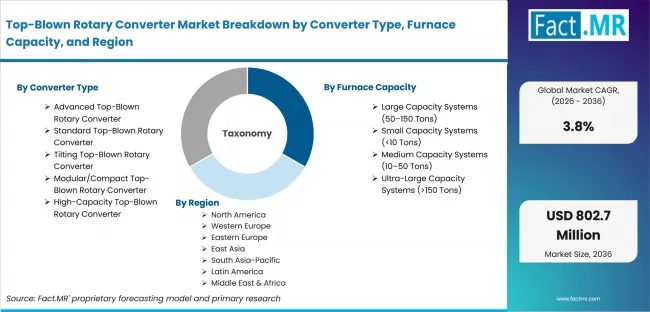
Top-Blown Rotary Converter Market Size, Share, Growth and Forecast (2026 - 2036)
The Top-Blown Rotary Converter Market is segmented by Converter Type, Furnace Capacity, Oxygen Blowing Configuration, Feed Material Type, Metal Processed, End-Use Industry and Region. Forecast for 2026 to 2036.
Fact.MR is of the opinion that the Top-Blown Rotary Converter Market is undergoing a recycling-led metallurgical transition, where demand is progressively shifting from conventional primary smelting toward advanced, oxygen-optimized, high-capacity TBRC systems capable of efficiently processing secondary feedstocks, non-ferrous metals, and precious-metal recovery streams.
Top-Blown Rotary Converter Market Overview, Growth Outlook, and Forecast by Fact.MR
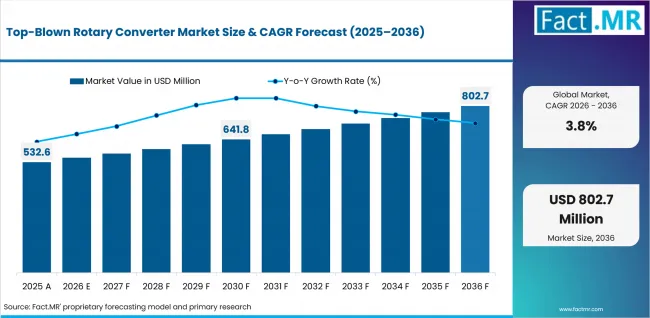
- Global top-blown rotary converter market revenue stood at USD 532.6 Mn in 2025 and is forecast to reach USD 802.7 Mn by 2036. At a 3.8% CAGR from 2026 to 2036.
- This market is set to expand ~ 1.5x in value, adding USD 250 Mn in absolute opportunity.
- The growing shift toward secondary raw material processing, metal recycling, and precious metal recovery is emerging as a primary growth driver for the Top-Blown Rotary Converter Market.
- TBRC systems are increasingly being adopted for their ability to efficiently process complex secondary feedstocks, non-ferrous residues, e-waste, metallurgical by-products, and precious-metal-bearing materials while delivering high metal recovery rates and process flexibility.
Summary of the Top-Blown Rotary Converter Market
- Market Snapshot
- Global top-blown rotary converter (TBRC) market revenue stood at USD 532.6 Mn in 2025 and is forecast to reach USD 802.7 Mn by 2036.
- At a 3.8% CAGR from 2026 to 2036, this market is set to expand ~1.5x in value, adding USD 250 Mn in absolute opportunity.
- Growth is being driven by increasing demand for advanced pyrometallurgical processing systems across non-ferrous metals, precious metals, and specialty material refining operations.
- Rising emphasis on efficient metal recovery, secondary raw material processing, and sustainable metallurgical operations is accelerating adoption of TBRC systems. Advancements in oxygen blowing configurations, furnace productivity, and flexible feed processing capabilities are further supporting market expansion globally.
- Demand and Growth Drivers
- Increasing demand for efficient smelting and refining technologies across non-ferrous and precious metal processing industries.
- Growing emphasis on recycling, circular metallurgy, and secondary raw material utilization is supporting market adoption.
- Expansion of mining, metallurgical processing, and specialty chemical materials production is accelerating deployment of TBRC systems.
- Rising focus on operational efficiency, metal yield optimization, and energy-efficient pyrometallurgical processes is driving investments in advanced converter technologies.
- Need for solutions that provide:
- Efficient metal recovery and refining performance
- Flexible handling of primary and secondary feed materials
- Improved furnace productivity and process control
- Enhanced operational sustainability and resource utilization
- Product and Segment View
- Standard top-blown rotary converters hold 18% of converter type share in 2026, supported by established deployment across conventional metallurgical operations.
- Advanced top-blown rotary converters account for 26% share, while high-capacity TBRC systems represent 23%.
- Tilting TBRC systems contribute 21% share, and modular/compact configurations account for 12%.
- Medium-capacity systems (50–150 tons) hold 37% share by furnace capacity, positioning them as the dominant segment driven by broad industrial applicability and balanced throughput capability.
- Small-capacity systems represent 14% share, while ultra-large systems (>150 tons) account for 16%.
- Multi-lance oxygen blowing configurations hold 58% share, supported by increasing demand for process efficiency, combustion optimization, and operational flexibility.
- Single-lance systems contribute 42% share.
- Secondary raw materials hold 54% share by feed material type, reflecting growing adoption of recycling-based and circular metallurgical processing models.
- Primary raw materials account for 46% share.
- Geography and Competitive Outlook
- Growth is supported across North America, Europe, Asia Pacific, and Latin America driven by expanding non-ferrous metallurgy, recycling infrastructure, and mining operations.
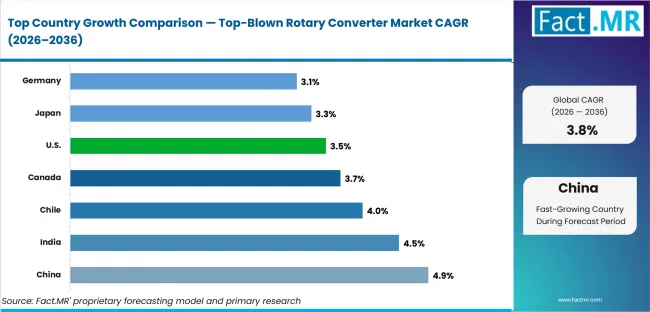
- Key growth markets and CAGR include: Germany 3.1%, Japan 3.3%, U.S. 3.5%, Canada 3.7%, Chile 4.0%, India 4.5%, and China 4.9%.
- Market expansion is closely tied to:
- Rising deployment of advanced pyrometallurgical refining systems
- Expansion of non-ferrous metal recycling and secondary smelting operations
- Increasing investment in sustainable metallurgical technologies and metal recovery efficiency
- Key companies active in this market include Metso Corporation, Outotec, Tenova, FLSmidth, and SMS Group.
- Analyst Opinion
- Shambhu Nath Jha, Principal Consultant at Fact.MR, says, “The Top-Blown Rotary Converter Market is no longer defined solely by conventional pyrometallurgical furnace demand and traditional primary smelting operations. Growth is increasingly driven by expanding secondary raw material utilization, rising non-ferrous and precious metal recovery activities, advancements in oxygen blowing, process control, and automation technologies, and increasing adoption of high-efficiency TBRC systems for metal extraction, refining, recycling, and complex feedstock processing across mining & metallurgy, recycling, precious metals, and specialty materials industries.
Top-Blown Rotary Converter Market— At a Glance
| Attribute | Details |
|---|---|
| Market Value 2025 | USD 532.6 Mn |
| Market Value 2036 | USD 802.7 Mn |
| Absolute Dollar Opportunity 2025–2036 | USD 250 Mn |
| Total Growth 2025–2036 | 50.7% |
| CAGR 2026–2036 | 3.8% |
| Growth Multiple | ~1.5x |
| Key Demand Theme | Increasing adoption of advanced pyrometallurgical and metal recovery technologies |
| Leading Segment by Converter Type (2026) | Advanced Top-Blown Rotary Converter |
| Segment Share (2026) | 26% |
| Leading Segment by Furnace Capacity (2026) | Medium Capacity Systems (50–150 Tons) |
| Segment Share (2026) | 37% |
| Leading Segment by Oxygen Blowing Configuration (2026) | Multi-Lance Systems |
| Segment Share (2026) | 58% |
| Leading Segment by Feed Material Type (2026) | Secondary Raw Materials |
| Segment Share (2026) | 54% |
| Leading Segment by Metal Processed (2026) | Non-Ferrous Metals |
| Segment Share (2026) | 64% |
| Leading Segment by End-Use Industry (2026) | Mining & Metallurgy |
| Segment Share (2026) | 34% |
| Key Growth Regions | North America, Europe, Asia Pacific, Latin America |
| Country CAGRs | Germany 3.1%, Japan 3.3%, U.S. 3.5%, Canada 3.7%, Chile 4.0%, India 4.5%, China 4.9% |
| Top Companies | Metso, Outotec, Tenova, FLSmidth, SMS Group |
| Segmentation by Converter Type | Standard TBRC, Advanced TBRC, Tilting TBRC, Modular/Compact TBRC, High-Capacity TBRC |
| Segmentation by Furnace Capacity | Small Capacity (<10 Tons), Medium Capacity (10–50 Tons), Large Capacity (50–150 Tons), Ultra-Large Capacity (>150 Tons) |
| Segmentation by Oxygen Blowing Configuration | Single-Lance Systems, Multi-Lance Systems |
| Segmentation by Feed Material Type | Primary Raw Materials, Secondary Raw Materials |
| Segmentation by Metal Processed | Non-Ferrous Metals, Precious Metals |
| Segmentation by End-Use Industry | Mining & Metallurgy, Recycling Industry, Precious Metal Industry, Chemical & Specialty Materials |
| Segmentation by Region | North America, Latin America, Europe, Asia Pacific, Middle East & Africa |
Demand is being reinforced by expanding investments in resource efficiency, circular metallurgy, and sustainable metal production, particularly across copper, lead, nickel, gold, and precious-metal value chains. The market is further benefiting from increasing deployment of advanced oxygen blowing configurations, high-capacity furnace systems, and automation-enabled process optimization technologies designed to improve yield efficiency, reduce processing losses, and support diversified feed material handling across pyrometallurgical operations.
Key Growth Drivers, Constraints, and Opportunities
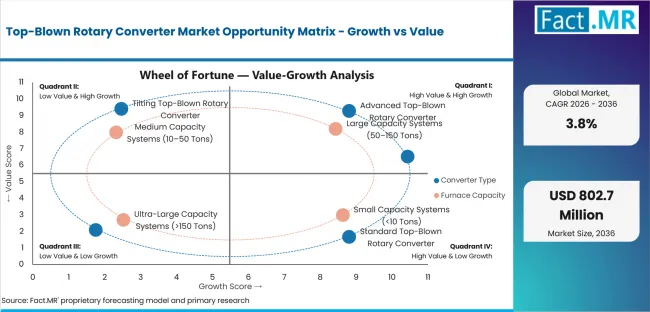
Key Factors Driving Growth
- Global demand for Top-Blown Rotary Converters (TBRCs) in the mining & metallurgy, recycling, precious metals and specialty materials industries are likely to rise in response to the increased demand for efficient extraction of non-ferrous metal, utilization of secondary raw material, and high yield metallurgical processing.
- The increasing demand for high capacity pyrometallurgical systems with advanced oxygen blowing, process flexibility and energy efficient metal recovery aspects is expected to drive the adoption of TBRC.
- The increasing application of TBRC systems in smelting & refining, precious metal recovery, e-waste processing, secondary metallurgy and complex feedstock treatment will help sustain market growth.
| Growth Driver | Demand Impact | Time Horizon | Key Impact Area | Fact.MR Insight |
|---|---|---|---|---|
| Rising demand for secondary raw material utilization and metal recycling | High | Short-Mid Term | Recycling efficiency and resource recovery | Growing emphasis on circular metallurgy is accelerating adoption of flexible TBRC systems |
| Expansion of non-ferrous and precious metal processing operations | High | Short-Mid Term | Smelting, refining, and metal yield optimization | Processing facilities are increasingly investing in advanced pyrometallurgical equipment |
| Growth of e-waste recovery and complex feedstock treatment applications | High | Mid-Long Term | Secondary metallurgy and waste valorization | TBRC technologies are gaining importance in processing difficult and mixed feed materials |
| Advancements in oxygen blowing, automation, and energy-efficient furnace systems | Medium-High | Mid-Long Term | Process performance and operational productivity | Smart TBRC configurations are improving process control, efficiency, and scalability |
| Increasing investments in mining, metallurgy, and metallurgical process modernization | Medium | Short-Mid Term | Industrial processing capacity expansion | Technology upgrades and modernization initiatives are broadening the market opportunity |
Key Market Constraints
- Installation and maintenance expenses, along with the increased manufacturing cost for industrial equipment, refractory materials, oxygen systems and special components, could reduce the potential for more TBRC deployments and replacements.
- High capital expenditure, complexity of operation, process optimization requirements and requirement for skilled technical manpower to operate complex TBRC systems can limit market growth.
- Market penetration in some regions and end-use sectors could be affected by the following factors: environmental compliance requirements, energy use concerns, cyclicality of investment in the metals industry, and limited awareness in developing industrial markets.
Key Opportunity Areas
- The increasing demand in non-ferrous metallurgy, precious metal recovery, recycling, e-waste processing and secondary raw material treatment will also generate a large number of opportunities for the TBRC technology providers and equipment manufacturers.
- Opportunities for companies developing automation-based systems, multi lance oxygen blowing systems, high-capacity converters and custom-made systems for various metallurgical applications.
The Top-Blown Rotary Converter Market exhibits high potential areas of innovation and long-term value creation, including energy-efficient furnace designs, digital process monitoring, advanced process control technologies, and emerging applications in circular metallurgy.
Segment-wise Analysis of the Top-Blown Rotary Converter Market
- By 2026, Non-Ferrous Metals account for a 64% market share of the metal processed segment due to increasing demand for copper, lead, nickel, and related non-ferrous metal extraction and refining, growing investments in secondary metallurgy and recycling operations, expanding adoption of TBRC systems for complex feedstock treatment, and rising emphasis on high-efficiency pyrometallurgical processing to improve metal recovery rates and operational flexibility globally.
- Standard Top-Blown Rotary Converters represent an 18% market share of the converter type segment by 2026, driven by their established deployment across conventional smelting and refining operations, proven process reliability, compatibility with primary and secondary feed materials, and continued demand for cost-effective and scalable metallurgical processing systems across mining & metallurgy, recycling, and precious metal applications worldwide.
The segmentation of the Top-Blown Rotary Converter Market includes converter type, furnace capacity, oxygen blowing configuration, feed material type, metal processed, end-use industry, and region
Which Converter Type Dominates the Top-Blown Rotary Converter Market?
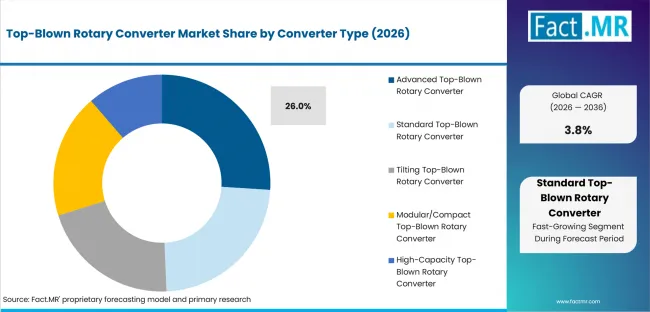
High-Capacity Top-Blown Rotary Converters' market share within the market is 23%. It is because of their growing usage in high throughput and processing flexibility in large-scale non-ferrous smelting, secondary metallurgy and precious metal recovery operations. In addition to rising investments in industrial-scale metallurgical infrastructure, the demand for efficient management of complex feedstocks and greater focus on productivity, metal yield optimization and process efficiency in mining, recycling and specialty materials industries are driving market growth.
Which Oxygen Blowing Configuration Dominates the Top-Blown Rotary Converter Market?
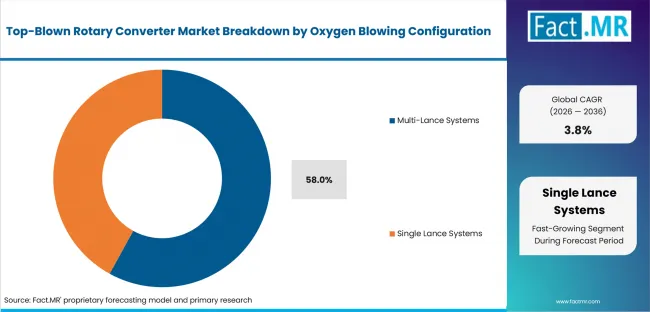
Multi-Lance Systems' market share within the market is 58%. This is mainly owing to their superior oxygen distribution, better process control, superior oxidation efficiency, and ability to optimize high temperature metallurgical reactions. Growth is fueled by greater industry demand for advanced blowing technology that boosts recovery of metals, lowers processing variability, and optimizes operational performance in more complex smelting, refining, and secondary metallurgy settings.
Which Feed Material Type Dominates the Top-Blown Rotary Converter Market?
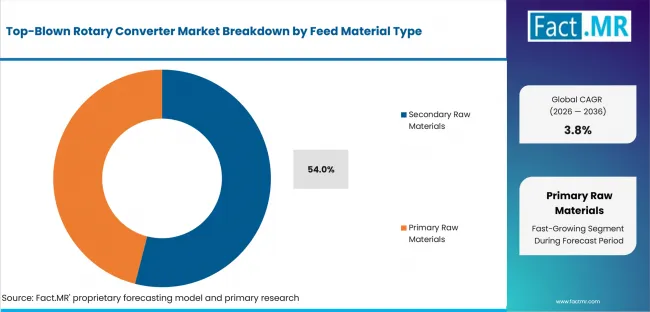
Secondary Raw Materials' market share within the market is 54%. It occurs on the backdrop of the increasing significance of recycling and resource recovery and of circular metallurgy practices in global metal processing industries. Growth in demand is driven by greater use of e-waste, scrap metal, metallurgical residues and the use of complex recycled feedstocks, and the increased focus on sustainable metal production and decreasing reliance on virgin raw materials.
Which End-Use Industry Dominates the Top-Blown Rotary Converter Market?
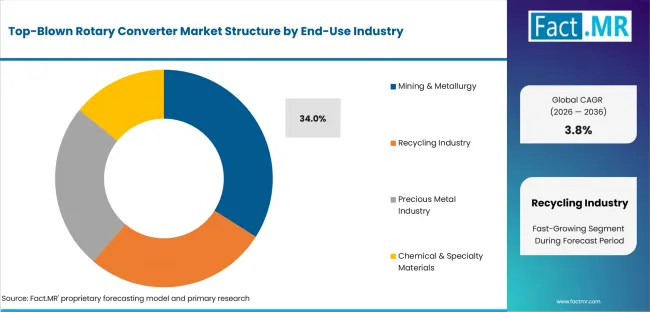
Mining & Metallurgy's market share within the market is 34%. The sector's wide range of needs for high-temperature metal extraction, smelting, refining, and improving metallurgical processes underpins this dominance. The rising investments in mineral extraction, modernization of metallurgical operations, expansion of non-ferrous processing capacity, and the demand for the latest converter systems that can boost productivity, resource efficiency, and metal recovery, are fueling market growth.
Regional Outlook Across Key Markets
The market analysis covers key global regions, including South Asia and Pacific, Middle East & Africa, North America, Latin America, Western Europe, and Eastern Europe. It is segmented geographically, with specific market dynamics for each region. The full report provides a detailed market attractiveness analysis.
.webp)
CAGR Table
| Country | CAGR (%) |
| Japan | 4.4% |
| U.S. | 4.7% |
| Germany | 4.9% |
| France | 5.0% |
| China | 5.8% |
| India | 6.4% |
| Brazil | 6.8% |
Source: Fact.MR (FMR) analysis, based on proprietary forecasting model and primary research.
North America:
North America functions as the premium pricing and innovation launch pad for contrast media, where clinical guideline updates directly convert into utilization shifts. Key regional players include Bayer AG (holding ~40% of U.S. hospital contracts through bundled injector-contrast deals) and GE Healthcare (leading in Canada due to its national tender win record). The region's centralized payer systems (CMS in the U.S., provincial health authorities in Canada) create fast diffusion of new agents.
- U.S.: Demand for contrast media in the U.S. is projected to rise at 3.5% CAGR through 2036. CMS reimbursement rules increasingly favor higher-priced macrocyclic agents, while outpatient imaging center consolidation drives volume-based purchasing contracts. The American College of Radiology's updated appropriateness criteria have expanded contrast-enhanced MRI utilization nationally. Hospital group purchasing organizations continue to bundle contrast with injection systems, locking in long-term supplier relationships.
Western Europe:
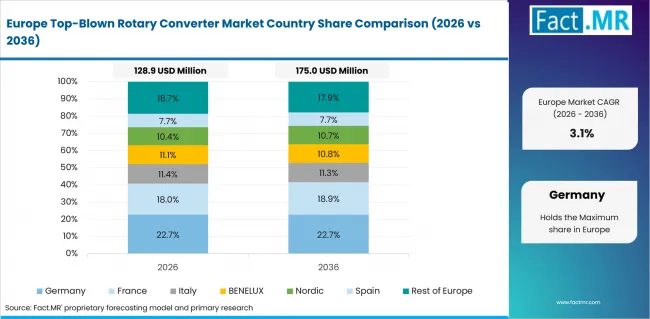
Western Europe acts as the global regulatory laboratory for contrast media, where EMA pharmacovigilance decisions and national cost-effectiveness bodies create fragmented but trend-setting adoption patterns. Leading players are Bracco Imaging (dominant in Italy and Spain via local production) and Guerbet (strong in France's public hospital group purchasing organizations). Regional dynamics are defined by national health technology assessment timelines rather than private insurance.
- Germany: Demand for contrast media in Germany is projected to rise at 3.1% CAGR through 2036. G-BA quality directives mandate documented contrast washout protocols for outpatient CT, increasing per-procedure usage volumes. The German Hospital Federation's framework agreements with major suppliers guarantee fixed pricing, encouraging high-volume purchasing commitments from previously non-contracted hospitals.
East Asia:
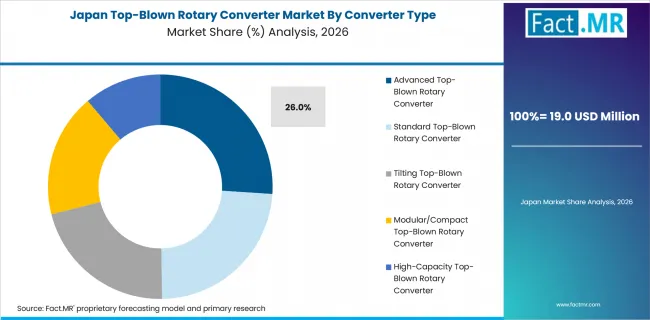
East Asia is the volume manufacturing and rapid adoption engine for contrast media, where state‑driven health system expansion and local generic competition co‑exist. Key regional players are Fujifilm Pharma (commanding ~35% of Japan's hospital market through closed‑loop distribution) and Samsung Medison (leveraging South Korea's ultrasound‑contrast reimbursement). China's central procurement forces price cuts that ripple into other Asian markets.
- Japan: Demand for contrast media in Japan is projected to rise at 3.3% CAGR through 2036. MHLW's diagnostic fee schedule revisions create new reimbursement categories for contrast-enhanced ultrasound, stimulating adoption of microbubble agents. Generic gadoteridol entry at 22% price discount accelerates hospital substitution policies, shifting volume from originator brands to lower-cost alternatives across national insurance claims.
- China: Demand for contrast media in China is projected to rise at 4.9% CAGR through 2036. NHSA's national reimbursement drug list expansions bring contrast-enhanced MRI to county-level hospitals, dramatically expanding addressable patient population. Domestic API manufacturing investments reduce import dependence and lower production costs, enabling aggressive pricing in provincial centralized procurement rounds.
South Asia & Pacific:
South Asia & Pacific is the emerging market of fragmented public procurement where state‑level tenders and donor‑funded programs drive contrast media adoption. Key players are Bayer (dominant in India's private hospital chains) and Samarth Lifesciences (a local manufacturer capturing ASEAN public tenders). The region is distinguished by its mix of universal health coverage schemes and mature Australasian private insurance.
- India: Demand for contrast media in India is projected to rise at 4.5% CAGR through 2036. NHA's PMJAY package expansions for contrast-enhanced CT in trauma cases add millions of publicly reimbursed procedures annually, widening access beyond metropolitan centers. State-level tender authorities implement aggressive price ceilings, forcing multinationals to partner with local distributors to compete on cost.
Fact.MR's analysis of the medical imaging contrast media market delivers a region-by-region assessment across North America, Western Europe, East Asia, Latin America, South Asia & Pacific, Eastern Europe, and Middle East & Africa. Readers gain access to country-level CAGR projections, procurement model shifts, reimbursement rule changes, and local manufacturing investments, with historical data from 2021 to 2025 and forecasts through 2036.
Competitive Benchmarking and Company Positioning
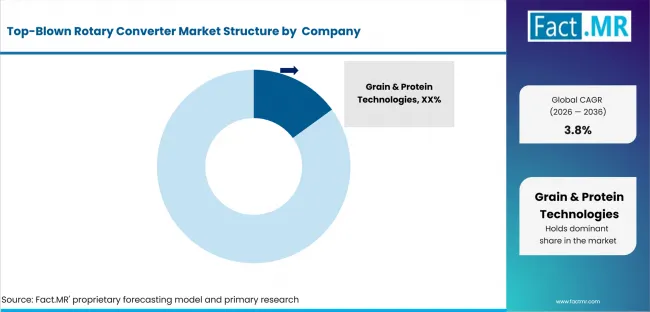
Leading Companies Shaping the Top-Blown Rotary Converter Market
The Top-Blown Rotary Converter Market is moderately concentrated, and companies like Tenova, SMS group, Metso, RAUCH Furnace Technology, Mettop, and Hatch Ltd. compete based on the process efficiency, oxygen blowing performance, automation capability, feedstock flexibility, and metallurgical recovery rates. The large players are well-positioned with structural advantages such as wide engineering experience, service networks around the world, turnkey projects and a deep metallurgical process know-how. Moderate supplier pricing power is achieved when buyers, such as mining companies, smelters, recyclers, and processors of precious metals, depend on multiple vendors, rely on multiple vendors to conduct pilot testing, and enter into long-term service contracts.
Key Players of the Top-Blown Rotary Converter Market
- Tenova
- SMS group GmbH
- Metso
- RAUCH Furnace Technology
- Mettop
- Metalcess
- Hatch Ltd.
- Glencore
- ANDRITZ
- Aurubis Richmond LLC
- Boliden
- Materials Processing Institute
- Kintek Furnace
Recent Industry Developments
- Tenova announces strategic partnership for industrial decarbonization solutions (April 2025): Tenova entered a strategic partnership with Coolbrook to develop and deploy electrified high-temperature process technologies across metals production. The collaboration focuses on integrating advanced heating and process solutions aimed at improving sustainability, operational efficiency, and lower-carbon metallurgical processing applications relevant to pyrometallurgical systems and TBRC environments. [Coolbrook News Release] [1]
- Metso expands advanced Kaldo furnace offering for higher metal recovery applications (2025 market deployment): Metso continued commercialization of its 4th generation Outotec® Kaldo L Furnace, designed for flexible processing of primary and secondary raw materials including concentrates, copper scrap, e-waste, and precious-metal residues. The upgraded system emphasizes improved process control, compact plant design, and enhanced metal recovery efficiency in TBRC-related applications. [Metso Product Release] [2]
- Metso supports smelting process modernization through furnace technology deployment (2025): Metso strengthened its position in advanced metallurgical systems through ongoing deliveries and technology support for global smelting operations, including enhanced furnace components and process equipment for metals refining applications. The initiatives reinforce demand for high-efficiency, digitally optimized pyrometallurgical processing technologies. [Metso Smelting Newsletter] [3]
- SMS group acquires parts of Metso’s metals business to strengthen sustainable metallurgy portfolio (May 2025): SMS group signed an agreement to acquire selected sustainable metals production technologies from Metso, including agglomeration, calcination, and related process capabilities. The transaction expands SMS group’s decarbonization and advanced metallurgical technology portfolio while strengthening its service offering for metals processing applications. [SMS Group Press Release] [4
- Metso advances strategic portfolio focus toward copper and battery minerals processing (May 2025): Metso announced the divestment of its Ferrous business to SMS group as part of a broader strategic move to sharpen focus on copper, battery minerals, and sustainable metals refining technologies. The repositioning reinforces investment priorities around advanced minerals processing and next-generation metallurgical solutions relevant to non-ferrous and circular metallurgy markets. [Metso Corporate News Release] [5]
Sources and Research References
- [1] Coolbrook, “Coolbrook and Tenova Join Forces to Drive CO₂-Free Iron, Steel and Other Metals Production”, April 2025.
- [2] heat processing / Vulkan Verlag, “Metso Introduces Furnace for Higher Recovery of Metals”, 2025.
- [3] Metso, “Smelting Newsletter – Issue 1 / 2025”, 2025.
- [4] SMS group GmbH, “SMS group Acquires Parts of Metso’s Metals Business, Expanding its Portfolio of Decarbonization Solutions”, May 2025.
- [5] Metso, “Metso Divests its Ferrous Business to SMS Group”, May 2025.
Top-Blown Rotary Converter Market Definition
The Top-Blown Rotary Converter (TBRC) Market includes industrial metallurgical furnace systems, which smelt, refine and recover metals from primary ores, secondary raw materials and complex feedstocks through a rotating vessel and top-blown oxygen injection. The main applications of TBRC systems are to increase the efficiency of metal extraction, control the oxidation and flexibility of materials during high-temperature processing. The primary end applications are in the metal processing industries, precious metal recovery, metal recycling and the mining & metallurgy sectors.
Top-Blown Rotary Converter Market Inclusions
The report provides a market size analysis, historical performance and forecast of the Top-Blown Rotary Converter market from 2026-36 for both global and regional markets. It covers segmentation based on converter type, furnace capacity, oxygen blowing, feed material type, metal processed, end-use industry and region. Competitive landscape assessment, technology trends, pricing, capacity developments and selected trade and supply chain dynamics have also been included in the study.
Top-Blown Rotary Converter Market Exclusions
Non-rotary metallurgical furnace technologies such as blast furnaces, electric arc furnace (EAF) systems, reverberatory furnace and standalone flash smelting technologies are not included unless they are directly integrated into TBRC technologies. It also excludes systems that are purely hydrometallurgical or bio-metallurgical processing systems, mining extraction equipment, downstream finished metal products, and fabricated metal components, except for TBRC equipment and its direct metallurgical processing applications.
Top-Blown Rotary Converter Market Research Methodology
- Primary Research
- Primary research included interviews with metallurgical equipment manufacturers, TBRC technology providers, smelter operators, recycling companies, mining & metallurgy executives, process engineers, distributors, and industry consultants. The supply-side and demand-side stakeholders were consulted to gauge the adoption of the technology, capacity trends and market dynamics.
- Desk Research
- Desk research involved the use of company annual reports, presentations to investors, industry publications, metallurgical association data, trade databases, government mining and metals statistics, technical papers, and publicly available corporate announcements regarding pyrometallurgical technologies, metal processing, and industrial furnace systems.
- Market-Sizing and Forecasting
- A hybrid top down and bottom up methodology is used for the market assessment. Market sizing was done based on analysis of metallurgical equipment spending, pyrometallurgical furnace demand, company revenues, installed base analysis, and end-use industry adoption patterns, and then forecast modeling within key segments and regions.
- Data Validation and Update Cycle
- Market estimates and forecasts have been cross verified with primary interview findings, secondary research inputs, company benchmarking and by triangulation across the three aspects of supply, demand and macro-economic indicators. Data models are regularly updated to incorporate changes in technology advances and investment cycles, regulatory shifts and industry operating conditions.
Scope of Analysis

| Parameter | Details |
|---|---|
| Quantitative Units | USD 532.6 million in 2025 to USD 802.7 million in 2036, at a CAGR of 3.8% |
| Market Definition | The Top-Blown Rotary Converter Market comprises industrial pyrometallurgical furnace systems used for metal smelting, refining, and recovery through top-blown oxygen injection, primarily serving mining, recycling, non-ferrous metals, and precious-metal industries. |
| Regions Covered | North America, Latin America, Europe, East Asia, South Asia and Pacific, MiddleEastand Africa |
| Countries Covered | USA, Canada, UK, Germany, China, India, 30 plus countries |
| Key Companies | Tenova, SMS group GmbH, Metso, RAUCH Furnace Technology, Mettop, Metalcess, Hatch Ltd., Glencore, ANDRITZ, Aurubis Richmond LLC, Boliden, Materials Processing Institute, Kintek Furnace |
| Forecast Period | 2026 to 2036 |
| Approach | Hybrid demand-side and top-downmethodologybuilt on country-level application demand, product benchmarking, pricing analysis, shipment validation, and primary interviews across manufacturers, distributors, retailers, and end users |
Analysis by Converter Type, by Furnace Capacity, by Oxygen Blowing Configuration, by Feed Material Type, by Metal Processed, by End-Use Industry and by Region
-
Top-Blown Rotary Converter Market by Converter Type:
- Standard Top-Blown Rotary Converter
- Fixed Configuration TBRC
- Basic Industrial TBRC
- Advanced Top-Blown Rotary Converter
- High-Efficiency TBRC
- Oxygen-Optimized TBRC
- Tilting Top-Blown Rotary Converter
- Hydraulic Tilting Systems
- Mechanical Tilting Systems
- Modular/Compact Top-Blown Rotary Converter
- Containerized Systems
- Space-Optimized Systems
- High-Capacity Top-Blown Rotary Converter
- Large-Scale Smelting Units
- Continuous Heavy-Duty Units
- Standard Top-Blown Rotary Converter
-
Top-Blown Rotary Converter Market by Furnace Capacity:
- Small Capacity Systems (<10 Tons)
- Medium Capacity Systems (10–50 Tons)
- Large Capacity Systems (50–150 Tons)
- Ultra-Large Capacity Systems (>150 Tons)
-
Top-Blown Rotary Converter Market by Oxygen Blowing Configuration:
- Single Lance Systems
- Fixed Lance
- Adjustable Lance
- Multi-Lance Systems
- Dual-Lance Systems
- Multi-Nozzle Systems
- Single Lance Systems
-
Top-Blown Rotary Converter Market by Feed Material Type:
- Primary Raw Materials
- Metal Concentrates
- Sulfide Ores
- Secondary Raw Materials
- Scrap Metal
- Electronic Scrap (E-Waste)
- Metallurgical Residues
- Primary Raw Materials
-
Top-Blown Rotary Converter Market by Metal Processed:
- Non-Ferrous Metals
- Copper
- Lead
- Zinc
- Nickel
- Tin
- Precious Metals
- Gold
- Silver
- Platinum Group Metals (PGMs)
- Non-Ferrous Metals
-
Top-Blown Rotary Converter Market by End-Use Industry:
- Mining & Metallurgy
- Primary Metal Production
- Concentrate Processing Plants
- Recycling Industry
- E-Waste Recycling Facilities
- Scrap Recycling Plants
- Precious Metal Industry
- Precious Metal Refiners
- Jewelry Metal Recovery
- Chemical & Specialty Materials
- Catalyst Recovery Plants
- Industrial Residue Processing
- Mining & Metallurgy
-
Top-Blown Rotary Converter Market by Region:
- North America
- USA
- Canada
- Mexico
- Latin America
- Brazil
- Chile
- Rest of LATAM
- East Asia
- China
- Japan
- South Korea
- Western Europe
- Germany
- Italy
- France
- U.K.
- Spain
- BENELUX
- Nordic
- Rest of W. Europe
- Eastern Europe
- Russia
- Hungary
- Poland
- Balkan & Baltics
- Rest of E. Europe
- South Asia & Pacific
- India
- ASEAN
- ANZ
- Rest of SAP
- Middle East and Africa
- Kingdom of Saudi Arabia
- United Arab Emirates
- South Africa
- Rest of Middle East and Africa
- North America
- Frequently Asked Questions -
How large is the demand for Top-Blown Rotary Converters in the global market in 2026?
Demand for Top-Blown Rotary Converters in the global market is estimated to be valued at USD 552.8 million in 2026.
What will be the market size of Top-Blown Rotary Converters in the global market by 2036?
The market size for Top-Blown Rotary Converters is projected to reach USD 802.7 million by 2036.
What is the expected demand growth for Top-Blown Rotary Converters in the global market between 2026 and 2036?
Demand for Top-Blown Rotary Converters in the global market is expected to grow at a CAGR of 3.8% between 2026 and 2036, driven by increasing adoption in non-ferrous metal recycling, secondary smelting, and metallurgical processing operations.
Which converter type is expected to dominate the market?
Advanced Top-Blown Rotary Converters are expected to dominate the market, accounting for 26% of the market share in 2026, supported by improved process efficiency, enhanced oxygen injection control, and flexibility in handling complex feed materials.
Which country is expected to show the highest growth rate for Top-Blown Rotary Converters?
China is projected to show the highest regional CAGR at 4.9%, supported by expanding secondary metal recovery activities, industrial recycling capacity, and investments in metallurgical modernization.
How significant is the growth outlook for India in this market?
India is expected to grow at a CAGR of 4.5%, reflecting rising non-ferrous metal production, increasing recycling activities, and growth in industrial processing infrastructure.
What is the growth outlook for the United States in the Top-Blown Rotary Converter market?
The United States is expected to grow at a CAGR of 3.5%, influenced by metal recycling demand and technological upgrades in secondary smelting facilities.
Which company is identified as a leading player in the Top-Blown Rotary Converter market?
Tenova is recognized as a leading player in this market, offering advanced metallurgical processing technologies and top-blown rotary converter systems for non-ferrous metal applications.
Table of Content
- Top-Blown Rotary Converter Market – Executive Summary
- Market Overview
- Market Definition & Introduction
- Market Taxonomy & Research Scope
- Global Top-Blown Rotary Converter Market Demand Analysis 2021-2025 and Forecast, 2026–2036
- Historical Market Volume (Units) Analysis, 2021-2025
- Current and Future Market Volume (Units) Projections, 2026–2036
- Y-o-Y Growth Trend Analysis
- Global Top-Blown Rotary Converter Market - Pricing Analysis
- Product Category and Country-Level Pricing Analysis
- Region Average Pricing Analysis Benchmark
- Price Trends and Forecasts
- Historical price trends
- Future price forecasts
- Factors Influencing Pricing
- Competitive Pricing Strategies
- Global Top-Blown Rotary Converter Market Demand (in Value or Size in US$ Mn) Analysis 2021-2025 and Forecast, 2026–2036
- Historical Market Value (US$ Mn) Analysis, 2021-2025
- Current and Future Market Value (US$ Mn) Projections, 2026–2036
- Y-o-Y Growth Trend Analysis
- Absolute $ Opportunity Analysis
- Market Background and Foundational Data Points
- Global Metallurgical Equipment Market Size
- Pyrometallurgical Furnace Market Growth
- TBRC System Installations / Units Sold
- Non-Ferrous Metal Production Volume
- Precious Metals Processing Demand
- Mining & Smelting Capacity Expansion Projects
- Scrap Recycling & Secondary Metal Processing Demand
- Oxygen Blowing Technology Adoption Rate
- End-Use Demand from Mining, Recycling & Precious Metals Industries
- Furnace Capacity Mix (<10T, 10–50T, 50–150T, >150T)
- Regional Mining & Metallurgical CAPEX Investments
- Start-up Ecosystem Analysis, 2021-2025
- Top-Blown Rotary Converter Market Opportunity Assessment
- Total Available Market (US$ Mn)
- Serviceable Addressable Market (US$ Mn)
- Serviceable Obtainable Market (US$ Mn)
- Porter’s Five Forces and PESTEL Analysis
- Investment Feasibility Analysis
- Macro-Economic Factors & Forecast Factors - Relevance & Impact
- Industry Value and Supply Chain Analysis
- List of Key Channel Partners
- Profit Margin & Operating Margin at Each Node of Supply Chain.
- Notes on Value Added at Each Node in the Value Chain
- Factors Influencing Value Chain
- Market Dynamics
- Drivers
- Restraints
- Opportunity Analysis
- Key Regulations & Certifications
- Top-Blown Rotary Converter Market Analysis 2021-2025 and Forecast 2026–2036, By Converter Type
- Introduction / Key Findings
- Historical Market Size (US$ Mn) & Volume (Units) Trend Analysis By Converter Type, 2021-2025
- Current and Future Market Size (US$ Mn) & Volume (Units) Analysis and Forecast By Converter Type, 2026-2036
- Standard Top-Blown Rotary Converter
- Fixed Configuration TBRC
- Basic Industrial TBRC
- Advanced Top-Blown Rotary Converter
- High-Efficiency TBRC
- Oxygen-Optimized TBRC
- Tilting Top-Blown Rotary Converter
- Hydraulic Tilting Systems
- Mechanical Tilting Systems
- Modular/Compact Top-Blown Rotary Converter
- Containerized Systems
- Space-Optimized Systems
- High-Capacity Top-Blown Rotary Converter
- Large-Scale Smelting Units
- Continuous Heavy-Duty Units
- Standard Top-Blown Rotary Converter
- Market Attractiveness Analysis By Converter Type
- Top-Blown Rotary Converter Market Analysis 2021-2025 and Forecast 2026–2036, By Furnace Capacity
- Introduction / Key Findings
- Historical Market Size (US$ Mn) & Volume (Units) Trend Analysis By Furnace Capacity, 2021-2025
- Current and Future Market Size (US$ Mn) & Volume (Units) Analysis and Forecast By Furnace Capacity, 2026-2036
- Small Capacity Systems (<10 Tons)
- Medium Capacity Systems (10–50 Tons)
- Large Capacity Systems (50–150 Tons)
- Ultra-Large Capacity Systems (>150 Tons)
- Market Attractiveness Analysis By Furnace Capacity
- Top-Blown Rotary Converter Market Analysis 2021-2025 and Forecast 2026–2036, By Oxygen Blowing Configuration
- Introduction / Key Findings
- Historical Market Size (US$ Mn) & Volume (Units) Trend Analysis By Oxygen Blowing Configuration, 2021-2025
- Current and Future Market Size (US$ Mn) & Volume (Units) Analysis and Forecast By Oxygen Blowing Configuration, 2026-2036
- Single Lance Systems
- Fixed Lance
- Adjustable Lance
- Multi-Lance Systems
- Dual-Lance Systems
- Multi-Nozzle Systems
- Single Lance Systems
- Market Attractiveness Analysis By Oxygen Blowing Configuration
- Top-Blown Rotary Converter Market Analysis 2021-2025 and Forecast 2026–2036, By Feed Material Type
- Introduction / Key Findings
- Historical Market Size (US$ Mn) & Volume (Units) Trend Analysis By Feed Material Type, 2021-2025
- Current and Future Market Size (US$ Mn) & Volume (Units) Analysis and Forecast By Feed Material Type, 2026-2036
- Primary Raw Materials
- Metal Concentrates
- Sulfide Ores
- Secondary Raw Materials
- Scrap Metal
- Electronic Scrap (E-Waste)
- Metallurgical Residues
- Primary Raw Materials
- Market Attractiveness Analysis By Feed Material Type
- Top-Blown Rotary Converter Market Analysis 2021-2025 and Forecast 2026–2036, By Metal Processed
- Introduction / Key Findings
- Historical Market Size (US$ Mn) & Volume (Units) Trend Analysis By Metal Processed, 2021-2025
- Current and Future Market Size (US$ Mn) & Volume (Units) Analysis and Forecast By Metal Processed, 2026-2036
- Non-Ferrous Metals
- Copper
- Lead
- Zinc
- Nickel
- Tin
- Precious Metals
- Gold
- Silver
- Platinum Group Metals (PGMs)
- Non-Ferrous Metals
- Market Attractiveness Analysis By Metal Processed
- Top-Blown Rotary Converter Market Analysis 2021-2025 and Forecast 2026–2036, By End-Use Industry
- Introduction / Key Findings
- Historical Market Size (US$ Mn) & Volume (Units) Trend Analysis by End-Use Industry, 2021-2025
- Current and Future Market Size (US$ Mn) & Volume (Units) Analysis and Forecast by End-Use Industry, 2026-2036
- Mining & Metallurgy
- Primary Metal Production
- Concentrate Processing Plants
- Recycling Industry
- E-Waste Recycling Facilities
- Scrap Recycling Plants
- Precious Metal Industry
- Precious Metal Refiners
- Jewelry Metal Recovery
- Chemical & Specialty Materials
- Catalyst Recovery Plants
- Industrial Residue Processing
- Mining & Metallurgy
- Market Attractiveness Analysis by End-Use Industry
- Global Top-Blown Rotary Converter Market Analysis and Forecast, by Region
- Introduction / Key Findings
- Historical Market Size (US$ Mn) & Volume (Units) Trend Analysis by Region, 2021-2025
- Current and Future Market Size (US$ Mn) & Volume (Units) Analysis and Forecast by Region, 2026-2036
- North America
- Latin America
- Western Europe
- Eastern Europe
- East Asia
- South Asia & Pacific
- Middle East & Africa
- Market Attractiveness Analysis by Region
- North America Top-Blown Rotary Converter Market Analysis and Forecast
- Introduction / Key Findings
- Pricing Analysis
- Historical Market Size (US$ Mn) & Volume (Units) Trend Analysis by Market Taxonomy, 2021-2025
- Current and Future Market Size (US$ Mn) and Volume (Units) Analysis & Forecast by Market Taxonomy, 2026-2036
- By Country
- United States
- Canada
- Mexico
- By Taxonomy
- Market Attractiveness Analysis By Country & Taxonomy
- Market Trends
- Key Market Participants – Intensity Mapping
- Drivers and Restraints - Impact Analysis
- Latin America Top-Blown Rotary Converter Market Analysis and Forecast
- Introduction / Key Findings
- Pricing Analysis
- Historical Market Size (US$ Mn) & Volume (Units) Trend Analysis by Market Taxonomy, 2021-2025
- Current and Future Market Size (US$ Mn) and Volume (Units) Analysis & Forecast by Market Taxonomy, 2026-2036
- By Country
- Brazil
- Chile
- Rest of LATAM
- By Taxonomy
- Market Attractiveness Analysis By Country & Taxonomy
- Market Trends
- Key Market Participants – Intensity Mapping
- Drivers and Restraints - Impact Analysis
- Western Europe Top-Blown Rotary Converter Market Analysis and Forecast
- Introduction / Key Findings
- Pricing Analysis
- Historical Market Size (US$ Mn) & Volume (Units) Trend Analysis by Market Taxonomy, 2021-2025
- Current and Future Market Size (US$ Mn) and Volume (Units) Analysis & Forecast by Market Taxonomy, 2026-2036
- By Country
- Germany
- Italy
- France
- United Kingdom
- Spain
- BENELUX
- Nordics
- Rest of Western Europe
- By Taxonomy
- Market Attractiveness Analysis By Country & Taxonomy
- Market Trends
- Key Market Participants – Intensity Mapping
- Drivers and Restraints - Impact Analysis
- Eastern Europe Top-Blown Rotary Converter Market Analysis and Forecast
- Introduction / Key Findings
- Pricing Analysis
- Historical Market Size (US$ Mn) & Volume (Units) Trend Analysis by Market Taxonomy, 2021-2025
- Current and Future Market Size (US$ Mn) and Volume (Units) Analysis & Forecast by Market Taxonomy, 2026-2036
- By Country
- Russia
- Hungary
- Poland
- Balkan & Baltics
- Rest of Eastern Europe
- By Taxonomy
- Market Attractiveness Analysis By Country & Taxonomy
- Market Trends
- Key Market Participants – Intensity Mapping
- Drivers and Restraints - Impact Analysis
- East Asia Top-Blown Rotary Converter Market Analysis and Forecast
- Introduction / Key Findings
- Pricing Analysis
- Historical Market Size (US$ Mn) & Volume (Units) Trend Analysis by Market Taxonomy, 2021-2025
- Current and Future Market Size (US$ Mn) and Volume (Units) Analysis & Forecast by Market Taxonomy, 2026-2036
- By Country
- China
- Japan
- South Korea
- By Taxonomy
- Market Attractiveness Analysis By Country & Taxonomy
- Market Trends
- Key Market Participants – Intensity Mapping
- Drivers and Restraints - Impact Analysis
- South Asia & Pacific Top-Blown Rotary Converter Market Analysis and Forecast
- Introduction / Key Findings
- Pricing Analysis
- Historical Market Size (US$ Mn) & Volume (Units) Trend Analysis by Market Taxonomy, 2021-2025
- Current and Future Market Size (US$ Mn) and Volume (Units) Analysis & Forecast by Market Taxonomy, 2026-2036
- By Country
- India
- ASEAN
- Australia & New Zealand
- Rest of South Asia & Pacific
- By Taxonomy
- Market Attractiveness Analysis By Country & Taxonomy
- Market Trends
- Key Market Participants – Intensity Mapping
- Drivers and Restraints - Impact Analysis
- Middle East & Africa Top-Blown Rotary Converter Market Analysis and Forecast
- Introduction / Key Findings
- Pricing Analysis
- Historical Market Size (US$ Mn) & Volume (Units) Trend Analysis by Market Taxonomy, 2021-2025
- Current and Future Market Size (US$ Mn) and Volume (Units) Analysis & Forecast by Market Taxonomy, 2026-2036
- By Country
- Kingdom of Saudi Arabia
- Other GCC Countries
- Turkiye
- South Africa
- Other African Union
- By Taxonomy
- Market Attractiveness Analysis By Country & Taxonomy
- Market Trends
- Key Market Participants – Intensity Mapping
- Drivers and Restraints - Impact Analysis
- Country-level Top-Blown Rotary Converter Market Analysis and Forecast
- Introduction
- Market Value Proportion Analysis, By Key Countries
- Global Vs. Country Growth Comparison
- United States Top-Blown Rotary Converter Market Analysis
- Market Size (US$ Mn) & Volume (Units) Analysis by Market Taxonomy, 2021–2036
- By Converter Type
- By Furnace Capacity
- By Oxygen Blowing Configuration
- By Feed Material Type
- By Metal Processed
- End-Use Industry
- United States Top-Blown Rotary Converter Market Analysis
-
-
- Canada Top-Blown Rotary Converter Market Analysis
- Mexico Top-Blown Rotary Converter Market Analysis
- Brazil Top-Blown Rotary Converter Market Analysis
- Chile Top-Blown Rotary Converter Market Analysis
- Germany Top-Blown Rotary Converter Market Analysis
- France Top-Blown Rotary Converter Market Analysis
- Italy Top-Blown Rotary Converter Market Analysis
- Spain Top-Blown Rotary Converter Market Analysis
- United Kingdom Top-Blown Rotary Converter Market Analysis
- BENELUX Top-Blown Rotary Converter Market Analysis
- Nordics Top-Blown Rotary Converter Market Analysis
- Poland Top-Blown Rotary Converter Market Analysis
- Russia Top-Blown Rotary Converter Market Analysis
- Hungary Top-Blown Rotary Converter Market Analysis
- Balkan & Baltics Top-Blown Rotary Converter Market Analysis
- China Top-Blown Rotary Converter Market Analysis
- Japan Top-Blown Rotary Converter Market Analysis
- South Korea Top-Blown Rotary Converter Market Analysis
- India Top-Blown Rotary Converter Market Analysis
- ASEAN Top-Blown Rotary Converter Market Analysis
- ANZ Top-Blown Rotary Converter Market Analysis
- KSA Top-Blown Rotary Converter Market Analysis
- Other GCC Countries Top-Blown Rotary Converter Market Analysis
- South Africa Top-Blown Rotary Converter Market Analysis
- Turkiye Top-Blown Rotary Converter Market Analysis
-
- Top-Blown Rotary Converter Market Structure Analysis
- Market Analysis by Tier of Companies
- Market Concentration
- Market Share Analysis of Top Players
- Market Space for New Brands and Dollar Opportunity
- Market Presence Analysis
- Regional Footprint of Players
- Product Footprint by Players
- Mobile Optical Pluggable Competition Analysis
- Competition Dashboard
- Pricing Analysis by Competition
- Competition Benchmarking
- Competition Deep Dive
- Tenova
- Overview
- Product Portfolio
- Sales Footprint
- Key Developments
- SWOT Analysis
- Strategy Overview
- Key Financials
- SMS group GmbH
- Metso
- RAUCH Furnace Technology
- Mettop
- Metalcess
- Hatch Ltd.
- Glencore
- ANDRITZ
- Aurubis Richmond LLC
- Boliden
- Materials Processing Institute
- Kintek Furnace
- Other Prominent Players
- Tenova
- Primary insights
- Assumptions & Acronyms Used
- Research Methodology & Data Sources
List Of Table
- Table 1: Global Market Value (USD Mn) Forecast by Region, 2020 to 2035
- Table 2: Global Market Volume (Units) Forecast by Region, 2020 to 2035
- Table 3: Global Market Value (USD Mn) Forecast by Converter Type, 2020 to 2035
- Table 4: Global Market Volume (Units) Forecast by Converter Type, 2020 to 2035
- Table 5: Global Market Value (USD Mn) Forecast by Furnace Capacity, 2020 to 2035
- Table 6: Global Market Volume (Units) Forecast by Furnace Capacity, 2020 to 2035
- Table 7: Global Market Value (USD Mn) Forecast by Oxygen Blowing Configuration, 2020 to 2035
- Table 8: Global Market Volume (Units) Forecast by Oxygen Blowing Configuration, 2020 to 2035
- Table 9: Global Market Value (USD Mn) Forecast by Feed Material Type, 2020 to 2035
- Table 10: Global Market Volume (Units) Forecast by Feed Material Type, 2020 to 2035
- Table 11: Global Market Value (USD Mn) Forecast by Metal Processed, 2020 to 2035
- Table 12: Global Market Volume (Units) Forecast by Metal Processed, 2020 to 2035
- Table 13: Global Market Value (USD Mn) Forecast by End-Use Industry, 2020 to 2035
- Table 14: Global Market Volume (Units) Forecast by End-Use Industry, 2020 to 2035
- Table 15: North America Market Value (USD Mn) Forecast by Country, 2020 to 2035
- Table 16: North America Market Volume (Units) Forecast by Country, 2020 to 2035
- Table 17: North America Market Value (USD Mn) Forecast by Converter Type, 2020 to 2035
- Table 18: North America Market Volume (Units) Forecast by Converter Type, 2020 to 2035
- Table 19: North America Market Value (USD Mn) Forecast by Furnace Capacity, 2020 to 2035
- Table 20: North America Market Volume (Units) Forecast by Furnace Capacity, 2020 to 2035
- Table 21: North America Market Value (USD Mn) Forecast by Oxygen Blowing Configuration, 2020 to 2035
- Table 22: North America Market Volume (Units) Forecast by Oxygen Blowing Configuration, 2020 to 2035
- Table 23: North America Market Value (USD Mn) Forecast by Feed Material Type, 2020 to 2035
- Table 24: North America Market Volume (Units) Forecast by Feed Material Type, 2020 to 2035
- Table 25: North America Market Value (USD Mn) Forecast by Metal Processed, 2020 to 2035
- Table 26: North America Market Volume (Units) Forecast by Metal Processed, 2020 to 2035
- Table 27: North America Market Value (USD Mn) Forecast by End-Use Industry, 2020 to 2035
- Table 28: North America Market Volume (Units) Forecast by End-Use Industry, 2020 to 2035
- Table 29: Latin America Market Value (USD Mn) Forecast by Country, 2020 to 2035
- Table 30: Latin America Market Volume (Units) Forecast by Country, 2020 to 2035
- Table 31: Latin America Market Value (USD Mn) Forecast by Converter Type, 2020 to 2035
- Table 32: Latin America Market Volume (Units) Forecast by Converter Type, 2020 to 2035
- Table 33: Latin America Market Value (USD Mn) Forecast by Furnace Capacity, 2020 to 2035
- Table 34: Latin America Market Volume (Units) Forecast by Furnace Capacity, 2020 to 2035
- Table 35: Latin America Market Value (USD Mn) Forecast by Oxygen Blowing Configuration, 2020 to 2035
- Table 36: Latin America Market Volume (Units) Forecast by Oxygen Blowing Configuration, 2020 to 2035
- Table 37: Latin America Market Value (USD Mn) Forecast by Feed Material Type, 2020 to 2035
- Table 38: Latin America Market Volume (Units) Forecast by Feed Material Type, 2020 to 2035
- Table 39: Latin America Market Value (USD Mn) Forecast by Metal Processed, 2020 to 2035
- Table 40: Latin America Market Volume (Units) Forecast by Metal Processed, 2020 to 2035
- Table 41: Latin America Market Value (USD Mn) Forecast by End-Use Industry, 2020 to 2035
- Table 42: Latin America Market Volume (Units) Forecast by End-Use Industry, 2020 to 2035
- Table 43: Western Europe Market Value (USD Mn) Forecast by Country, 2020 to 2035
- Table 44: Western Europe Market Volume (Units) Forecast by Country, 2020 to 2035
- Table 45: Western Europe Market Value (USD Mn) Forecast by Converter Type, 2020 to 2035
- Table 46: Western Europe Market Volume (Units) Forecast by Converter Type, 2020 to 2035
- Table 47: Western Europe Market Value (USD Mn) Forecast by Furnace Capacity, 2020 to 2035
- Table 48: Western Europe Market Volume (Units) Forecast by Furnace Capacity, 2020 to 2035
- Table 49: Western Europe Market Value (USD Mn) Forecast by Oxygen Blowing Configuration, 2020 to 2035
- Table 50: Western Europe Market Volume (Units) Forecast by Oxygen Blowing Configuration, 2020 to 2035
- Table 51: Western Europe Market Value (USD Mn) Forecast by Feed Material Type, 2020 to 2035
- Table 52: Western Europe Market Volume (Units) Forecast by Feed Material Type, 2020 to 2035
- Table 53: Western Europe Market Value (USD Mn) Forecast by Metal Processed, 2020 to 2035
- Table 54: Western Europe Market Volume (Units) Forecast by Metal Processed, 2020 to 2035
- Table 55: Western Europe Market Value (USD Mn) Forecast by End-Use Industry, 2020 to 2035
- Table 56: Western Europe Market Volume (Units) Forecast by End-Use Industry, 2020 to 2035
- Table 57: Eastern Europe Market Value (USD Mn) Forecast by Country, 2020 to 2035
- Table 58: Eastern Europe Market Volume (Units) Forecast by Country, 2020 to 2035
- Table 59: Eastern Europe Market Value (USD Mn) Forecast by Converter Type, 2020 to 2035
- Table 60: Eastern Europe Market Volume (Units) Forecast by Converter Type, 2020 to 2035
- Table 61: Eastern Europe Market Value (USD Mn) Forecast by Furnace Capacity, 2020 to 2035
- Table 62: Eastern Europe Market Volume (Units) Forecast by Furnace Capacity, 2020 to 2035
- Table 63: Eastern Europe Market Value (USD Mn) Forecast by Oxygen Blowing Configuration, 2020 to 2035
- Table 64: Eastern Europe Market Volume (Units) Forecast by Oxygen Blowing Configuration, 2020 to 2035
- Table 65: Eastern Europe Market Value (USD Mn) Forecast by Feed Material Type, 2020 to 2035
- Table 66: Eastern Europe Market Volume (Units) Forecast by Feed Material Type, 2020 to 2035
- Table 67: Eastern Europe Market Value (USD Mn) Forecast by Metal Processed, 2020 to 2035
- Table 68: Eastern Europe Market Volume (Units) Forecast by Metal Processed, 2020 to 2035
- Table 69: Eastern Europe Market Value (USD Mn) Forecast by End-Use Industry, 2020 to 2035
- Table 70: Eastern Europe Market Volume (Units) Forecast by End-Use Industry, 2020 to 2035
- Table 71: East Asia Market Value (USD Mn) Forecast by Country, 2020 to 2035
- Table 72: East Asia Market Volume (Units) Forecast by Country, 2020 to 2035
- Table 73: East Asia Market Value (USD Mn) Forecast by Converter Type, 2020 to 2035
- Table 74: East Asia Market Volume (Units) Forecast by Converter Type, 2020 to 2035
- Table 75: East Asia Market Value (USD Mn) Forecast by Furnace Capacity, 2020 to 2035
- Table 76: East Asia Market Volume (Units) Forecast by Furnace Capacity, 2020 to 2035
- Table 77: East Asia Market Value (USD Mn) Forecast by Oxygen Blowing Configuration, 2020 to 2035
- Table 78: East Asia Market Volume (Units) Forecast by Oxygen Blowing Configuration, 2020 to 2035
- Table 79: East Asia Market Value (USD Mn) Forecast by Feed Material Type, 2020 to 2035
- Table 80: East Asia Market Volume (Units) Forecast by Feed Material Type, 2020 to 2035
- Table 81: East Asia Market Value (USD Mn) Forecast by Metal Processed, 2020 to 2035
- Table 82: East Asia Market Volume (Units) Forecast by Metal Processed, 2020 to 2035
- Table 83: East Asia Market Value (USD Mn) Forecast by End-Use Industry, 2020 to 2035
- Table 84: East Asia Market Volume (Units) Forecast by End-Use Industry, 2020 to 2035
- Table 85: South Asia and Pacific Market Value (USD Mn) Forecast by Country, 2020 to 2035
- Table 86: South Asia and Pacific Market Volume (Units) Forecast by Country, 2020 to 2035
- Table 87: South Asia and Pacific Market Value (USD Mn) Forecast by Converter Type, 2020 to 2035
- Table 88: South Asia and Pacific Market Volume (Units) Forecast by Converter Type, 2020 to 2035
- Table 89: South Asia and Pacific Market Value (USD Mn) Forecast by Furnace Capacity, 2020 to 2035
- Table 90: South Asia and Pacific Market Volume (Units) Forecast by Furnace Capacity, 2020 to 2035
- Table 91: South Asia and Pacific Market Value (USD Mn) Forecast by Oxygen Blowing Configuration, 2020 to 2035
- Table 92: South Asia and Pacific Market Volume (Units) Forecast by Oxygen Blowing Configuration, 2020 to 2035
- Table 93: South Asia and Pacific Market Value (USD Mn) Forecast by Feed Material Type, 2020 to 2035
- Table 94: South Asia and Pacific Market Volume (Units) Forecast by Feed Material Type, 2020 to 2035
- Table 95: South Asia and Pacific Market Value (USD Mn) Forecast by Metal Processed, 2020 to 2035
- Table 96: South Asia and Pacific Market Volume (Units) Forecast by Metal Processed, 2020 to 2035
- Table 97: South Asia and Pacific Market Value (USD Mn) Forecast by End-Use Industry, 2020 to 2035
- Table 98: South Asia and Pacific Market Volume (Units) Forecast by End-Use Industry, 2020 to 2035
- Table 99: Middle East & Africa Market Value (USD Mn) Forecast by Country, 2020 to 2035
- Table 100: Middle East & Africa Market Volume (Units) Forecast by Country, 2020 to 2035
- Table 101: Middle East & Africa Market Value (USD Mn) Forecast by Converter Type, 2020 to 2035
- Table 102: Middle East & Africa Market Volume (Units) Forecast by Converter Type, 2020 to 2035
- Table 103: Middle East & Africa Market Value (USD Mn) Forecast by Furnace Capacity, 2020 to 2035
- Table 104: Middle East & Africa Market Volume (Units) Forecast by Furnace Capacity, 2020 to 2035
- Table 105: Middle East & Africa Market Value (USD Mn) Forecast by Oxygen Blowing Configuration, 2020 to 2035
- Table 106: Middle East & Africa Market Volume (Units) Forecast by Oxygen Blowing Configuration, 2020 to 2035
- Table 107: Middle East & Africa Market Value (USD Mn) Forecast by Feed Material Type, 2020 to 2035
- Table 108: Middle East & Africa Market Volume (Units) Forecast by Feed Material Type, 2020 to 2035
- Table 109: Middle East & Africa Market Value (USD Mn) Forecast by Metal Processed, 2020 to 2035
- Table 110: Middle East & Africa Market Volume (Units) Forecast by Metal Processed, 2020 to 2035
- Table 111: Middle East & Africa Market Value (USD Mn) Forecast by End-Use Industry, 2020 to 2035
- Table 112: Middle East & Africa Market Volume (Units) Forecast by End-Use Industry, 2020 to 2035
List Of Figures
- Figure 1: Global Market Volume (Units) Forecast 2020–2035
- Figure 2: Global Market Pricing Analysis
- Figure 3: Global Market Value (USD Mn) Forecast 2020–2035
- Figure 4: Global Market Value Share and BPS Analysis by Converter Type, 2025 and 2035
- Figure 5: Global Market Y-o-Y Growth Comparison by Converter Type, 2025 to 2035
- Figure 6: Global Market Attractiveness Analysis by Converter Type
- Figure 7: Global Market Value Share and BPS Analysis by Furnace Capacity, 2025 and 2035
- Figure 8: Global Market Y-o-Y Growth Comparison by Furnace Capacity, 2025 to 2035
- Figure 9: Global Market Attractiveness Analysis by Furnace Capacity
- Figure 10: Global Market Value Share and BPS Analysis by Oxygen Blowing Configuration, 2025 and 2035
- Figure 11: Global Market Y-o-Y Growth Comparison by Oxygen Blowing Configuration, 2025 to 2035
- Figure 12: Global Market Attractiveness Analysis by Oxygen Blowing Configuration
- Figure 13: Global Market Value Share and BPS Analysis by Feed Material Type, 2025 and 2035
- Figure 14: Global Market Y-o-Y Growth Comparison by Feed Material Type, 2025 to 2035
- Figure 15: Global Market Attractiveness Analysis by Feed Material Type
- Figure 16: Global Market Value Share and BPS Analysis by Metal Processed, 2025 and 2035
- Figure 17: Global Market Y-o-Y Growth Comparison by Metal Processed, 2025 to 2035
- Figure 18: Global Market Attractiveness Analysis by Metal Processed
- Figure 19: Global Market Value Share and BPS Analysis by End-Use Industry, 2025 and 2035
- Figure 20: Global Market Y-o-Y Growth Comparison by End-Use Industry, 2025 to 2035
- Figure 21: Global Market Attractiveness Analysis by End-Use Industry
- Figure 22: Global Market Value (USD Mn) Share and BPS Analysis by Region, 2025 and 2035
- Figure 23: Global Market Y-o-Y Growth Comparison by Region, 2025 to 2035
- Figure 24: Global Market Attractiveness Analysis by Region
- Figure 25: North America Market Incremental $ Opportunity, 2025 to 2035
- Figure 26: Latin America Market Incremental $ Opportunity, 2025 to 2035
- Figure 27: Western Europe Market Incremental $ Opportunity, 2025 to 2035
- Figure 28: Eastern Europe Market Incremental $ Opportunity, 2025 to 2035
- Figure 29: East Asia Market Incremental $ Opportunity, 2025 to 2035
- Figure 30: South Asia and Pacific Market Incremental $ Opportunity, 2025 to 2035
- Figure 31: Middle East & Africa Market Incremental $ Opportunity, 2025 to 2035
- Figure 32: North America Market Value Share and BPS Analysis by Country, 2025 and 2035
- Figure 33: North America Market Value Share and BPS Analysis by Converter Type, 2025 and 2035
- Figure 34: North America Market Y-o-Y Growth Comparison by Converter Type, 2025 to 2035
- Figure 35: North America Market Attractiveness Analysis by Converter Type
- Figure 36: North America Market Value Share and BPS Analysis by Furnace Capacity, 2025 and 2035
- Figure 37: North America Market Y-o-Y Growth Comparison by Furnace Capacity, 2025 to 2035
- Figure 38: North America Market Attractiveness Analysis by Furnace Capacity
- Figure 39: North America Market Value Share and BPS Analysis by Oxygen Blowing Configuration, 2025 and 2035
- Figure 40: North America Market Y-o-Y Growth Comparison by Oxygen Blowing Configuration, 2025 to 2035
- Figure 41: North America Market Attractiveness Analysis by Oxygen Blowing Configuration
- Figure 42: North America Market Value Share and BPS Analysis by Feed Material Type, 2025 and 2035
- Figure 43: North America Market Y-o-Y Growth Comparison by Feed Material Type, 2025 to 2035
- Figure 44: North America Market Attractiveness Analysis by Feed Material Type
- Figure 45: North America Market Value Share and BPS Analysis by Metal Processed, 2025 and 2035
- Figure 46: North America Market Y-o-Y Growth Comparison by Metal Processed, 2025 to 2035
- Figure 47: North America Market Attractiveness Analysis by Metal Processed
- Figure 48: North America Market Value Share and BPS Analysis by End-Use Industry, 2025 and 2035
- Figure 49: North America Market Y-o-Y Growth Comparison by End-Use Industry, 2025 to 2035
- Figure 50: North America Market Attractiveness Analysis by End-Use Industry
- Figure 51: Latin America Market Value Share and BPS Analysis by Country, 2025 and 2035
- Figure 52: Latin America Market Value Share and BPS Analysis by Converter Type, 2025 and 2035
- Figure 53: Latin America Market Y-o-Y Growth Comparison by Converter Type, 2025 to 2035
- Figure 54: Latin America Market Attractiveness Analysis by Converter Type
- Figure 55: Latin America Market Value Share and BPS Analysis by Furnace Capacity, 2025 and 2035
- Figure 56: Latin America Market Y-o-Y Growth Comparison by Furnace Capacity, 2025 to 2035
- Figure 57: Latin America Market Attractiveness Analysis by Furnace Capacity
- Figure 58: Latin America Market Value Share and BPS Analysis by Oxygen Blowing Configuration, 2025 and 2035
- Figure 59: Latin America Market Y-o-Y Growth Comparison by Oxygen Blowing Configuration, 2025 to 2035
- Figure 60: Latin America Market Attractiveness Analysis by Oxygen Blowing Configuration
- Figure 61: Latin America Market Value Share and BPS Analysis by Feed Material Type, 2025 and 2035
- Figure 62: Latin America Market Y-o-Y Growth Comparison by Feed Material Type, 2025 to 2035
- Figure 63: Latin America Market Attractiveness Analysis by Feed Material Type
- Figure 64: Latin America Market Value Share and BPS Analysis by Metal Processed, 2025 and 2035
- Figure 65: Latin America Market Y-o-Y Growth Comparison by Metal Processed, 2025 to 2035
- Figure 66: Latin America Market Attractiveness Analysis by Metal Processed
- Figure 67: Latin America Market Value Share and BPS Analysis by End-Use Industry, 2025 and 2035
- Figure 68: Latin America Market Y-o-Y Growth Comparison by End-Use Industry, 2025 to 2035
- Figure 69: Latin America Market Attractiveness Analysis by End-Use Industry
- Figure 70: Western Europe Market Value Share and BPS Analysis by Country, 2025 and 2035
- Figure 71: Western Europe Market Value Share and BPS Analysis by Converter Type, 2025 and 2035
- Figure 72: Western Europe Market Y-o-Y Growth Comparison by Converter Type, 2025 to 2035
- Figure 73: Western Europe Market Attractiveness Analysis by Converter Type
- Figure 74: Western Europe Market Value Share and BPS Analysis by Furnace Capacity, 2025 and 2035
- Figure 75: Western Europe Market Y-o-Y Growth Comparison by Furnace Capacity, 2025 to 2035
- Figure 76: Western Europe Market Attractiveness Analysis by Furnace Capacity
- Figure 77: Western Europe Market Value Share and BPS Analysis by Oxygen Blowing Configuration, 2025 and 2035
- Figure 78: Western Europe Market Y-o-Y Growth Comparison by Oxygen Blowing Configuration, 2025 to 2035
- Figure 79: Western Europe Market Attractiveness Analysis by Oxygen Blowing Configuration
- Figure 80: Western Europe Market Value Share and BPS Analysis by Feed Material Type, 2025 and 2035
- Figure 81: Western Europe Market Y-o-Y Growth Comparison by Feed Material Type, 2025 to 2035
- Figure 82: Western Europe Market Attractiveness Analysis by Feed Material Type
- Figure 83: Western Europe Market Value Share and BPS Analysis by Metal Processed, 2025 and 2035
- Figure 84: Western Europe Market Y-o-Y Growth Comparison by Metal Processed, 2025 to 2035
- Figure 85: Western Europe Market Attractiveness Analysis by Metal Processed
- Figure 86: Western Europe Market Value Share and BPS Analysis by End-Use Industry, 2025 and 2035
- Figure 87: Western Europe Market Y-o-Y Growth Comparison by End-Use Industry, 2025 to 2035
- Figure 88: Western Europe Market Attractiveness Analysis by End-Use Industry
- Figure 89: Eastern Europe Market Value Share and BPS Analysis by Country, 2025 and 2035
- Figure 90: Eastern Europe Market Value Share and BPS Analysis by Converter Type, 2025 and 2035
- Figure 91: Eastern Europe Market Y-o-Y Growth Comparison by Converter Type, 2025 to 2035
- Figure 92: Eastern Europe Market Attractiveness Analysis by Converter Type
- Figure 93: Eastern Europe Market Value Share and BPS Analysis by Furnace Capacity, 2025 and 2035
- Figure 94: Eastern Europe Market Y-o-Y Growth Comparison by Furnace Capacity, 2025 to 2035
- Figure 95: Eastern Europe Market Attractiveness Analysis by Furnace Capacity
- Figure 96: Eastern Europe Market Value Share and BPS Analysis by Oxygen Blowing Configuration, 2025 and 2035
- Figure 97: Eastern Europe Market Y-o-Y Growth Comparison by Oxygen Blowing Configuration, 2025 to 2035
- Figure 98: Eastern Europe Market Attractiveness Analysis by Oxygen Blowing Configuration
- Figure 99: Eastern Europe Market Value Share and BPS Analysis by Feed Material Type, 2025 and 2035
- Figure 100: Eastern Europe Market Y-o-Y Growth Comparison by Feed Material Type, 2025 to 2035
- Figure 101: Eastern Europe Market Attractiveness Analysis by Feed Material Type
- Figure 102: Eastern Europe Market Value Share and BPS Analysis by Metal Processed, 2025 and 2035
- Figure 103: Eastern Europe Market Y-o-Y Growth Comparison by Metal Processed, 2025 to 2035
- Figure 104: Eastern Europe Market Attractiveness Analysis by Metal Processed
- Figure 105: Eastern Europe Market Value Share and BPS Analysis by End-Use Industry, 2025 and 2035
- Figure 106: Eastern Europe Market Y-o-Y Growth Comparison by End-Use Industry, 2025 to 2035
- Figure 107: Eastern Europe Market Attractiveness Analysis by End-Use Industry
- Figure 108: East Asia Market Value Share and BPS Analysis by Country, 2025 and 2035
- Figure 109: East Asia Market Value Share and BPS Analysis by Converter Type, 2025 and 2035
- Figure 110: East Asia Market Y-o-Y Growth Comparison by Converter Type, 2025 to 2035
- Figure 111: East Asia Market Attractiveness Analysis by Converter Type
- Figure 112: East Asia Market Value Share and BPS Analysis by Furnace Capacity, 2025 and 2035
- Figure 113: East Asia Market Y-o-Y Growth Comparison by Furnace Capacity, 2025 to 2035
- Figure 114: East Asia Market Attractiveness Analysis by Furnace Capacity
- Figure 115: East Asia Market Value Share and BPS Analysis by Oxygen Blowing Configuration, 2025 and 2035
- Figure 116: East Asia Market Y-o-Y Growth Comparison by Oxygen Blowing Configuration, 2025 to 2035
- Figure 117: East Asia Market Attractiveness Analysis by Oxygen Blowing Configuration
- Figure 118: East Asia Market Value Share and BPS Analysis by Feed Material Type, 2025 and 2035
- Figure 119: East Asia Market Y-o-Y Growth Comparison by Feed Material Type, 2025 to 2035
- Figure 120: East Asia Market Attractiveness Analysis by Feed Material Type
- Figure 121: East Asia Market Value Share and BPS Analysis by Metal Processed, 2025 and 2035
- Figure 122: East Asia Market Y-o-Y Growth Comparison by Metal Processed, 2025 to 2035
- Figure 123: East Asia Market Attractiveness Analysis by Metal Processed
- Figure 124: East Asia Market Value Share and BPS Analysis by End-Use Industry, 2025 and 2035
- Figure 125: East Asia Market Y-o-Y Growth Comparison by End-Use Industry, 2025 to 2035
- Figure 126: East Asia Market Attractiveness Analysis by End-Use Industry
- Figure 127: South Asia and Pacific Market Value Share and BPS Analysis by Country, 2025 and 2035
- Figure 128: South Asia and Pacific Market Value Share and BPS Analysis by Converter Type, 2025 and 2035
- Figure 129: South Asia and Pacific Market Y-o-Y Growth Comparison by Converter Type, 2025 to 2035
- Figure 130: South Asia and Pacific Market Attractiveness Analysis by Converter Type
- Figure 131: South Asia and Pacific Market Value Share and BPS Analysis by Furnace Capacity, 2025 and 2035
- Figure 132: South Asia and Pacific Market Y-o-Y Growth Comparison by Furnace Capacity, 2025 to 2035
- Figure 133: South Asia and Pacific Market Attractiveness Analysis by Furnace Capacity
- Figure 134: South Asia and Pacific Market Value Share and BPS Analysis by Oxygen Blowing Configuration, 2025 and 2035
- Figure 135: South Asia and Pacific Market Y-o-Y Growth Comparison by Oxygen Blowing Configuration, 2025 to 2035
- Figure 136: South Asia and Pacific Market Attractiveness Analysis by Oxygen Blowing Configuration
- Figure 137: South Asia and Pacific Market Value Share and BPS Analysis by Feed Material Type, 2025 and 2035
- Figure 138: South Asia and Pacific Market Y-o-Y Growth Comparison by Feed Material Type, 2025 to 2035
- Figure 139: South Asia and Pacific Market Attractiveness Analysis by Feed Material Type
- Figure 140: South Asia and Pacific Market Value Share and BPS Analysis by Metal Processed, 2025 and 2035
- Figure 141: South Asia and Pacific Market Y-o-Y Growth Comparison by Metal Processed, 2025 to 2035
- Figure 142: South Asia and Pacific Market Attractiveness Analysis by Metal Processed
- Figure 143: South Asia and Pacific Market Value Share and BPS Analysis by End-Use Industry, 2025 and 2035
- Figure 144: South Asia and Pacific Market Y-o-Y Growth Comparison by End-Use Industry, 2025 to 2035
- Figure 145: South Asia and Pacific Market Attractiveness Analysis by End-Use Industry
- Figure 146: Middle East & Africa Market Value Share and BPS Analysis by Country, 2025 and 2035
- Figure 147: Middle East & Africa Market Value Share and BPS Analysis by Converter Type, 2025 and 2035
- Figure 148: Middle East & Africa Market Y-o-Y Growth Comparison by Converter Type, 2025 to 2035
- Figure 149: Middle East & Africa Market Attractiveness Analysis by Converter Type
- Figure 150: Middle East & Africa Market Value Share and BPS Analysis by Furnace Capacity, 2025 and 2035
- Figure 151: Middle East & Africa Market Y-o-Y Growth Comparison by Furnace Capacity, 2025 to 2035
- Figure 152: Middle East & Africa Market Attractiveness Analysis by Furnace Capacity
- Figure 153: Middle East & Africa Market Value Share and BPS Analysis by Oxygen Blowing Configuration, 2025 and 2035
- Figure 154: Middle East & Africa Market Y-o-Y Growth Comparison by Oxygen Blowing Configuration, 2025 to 2035
- Figure 155: Middle East & Africa Market Attractiveness Analysis by Oxygen Blowing Configuration
- Figure 156: Middle East & Africa Market Value Share and BPS Analysis by Feed Material Type, 2025 and 2035
- Figure 157: Middle East & Africa Market Y-o-Y Growth Comparison by Feed Material Type, 2025 to 2035
- Figure 158: Middle East & Africa Market Attractiveness Analysis by Feed Material Type
- Figure 159: Middle East & Africa Market Value Share and BPS Analysis by Metal Processed, 2025 and 2035
- Figure 160: Middle East & Africa Market Y-o-Y Growth Comparison by Metal Processed, 2025 to 2035
- Figure 161: Middle East & Africa Market Attractiveness Analysis by Metal Processed
- Figure 162: Middle East & Africa Market Value Share and BPS Analysis by End-Use Industry, 2025 and 2035
- Figure 163: Middle East & Africa Market Y-o-Y Growth Comparison by End-Use Industry, 2025 to 2035
- Figure 164: Middle East & Africa Market Attractiveness Analysis by End-Use Industry
- Figure 165: Global Market – Tier Structure Analysis
- Figure 166: Global Market – Company Share Analysis